AC Repair in Melbourne, FL: What Homeowners Should Know
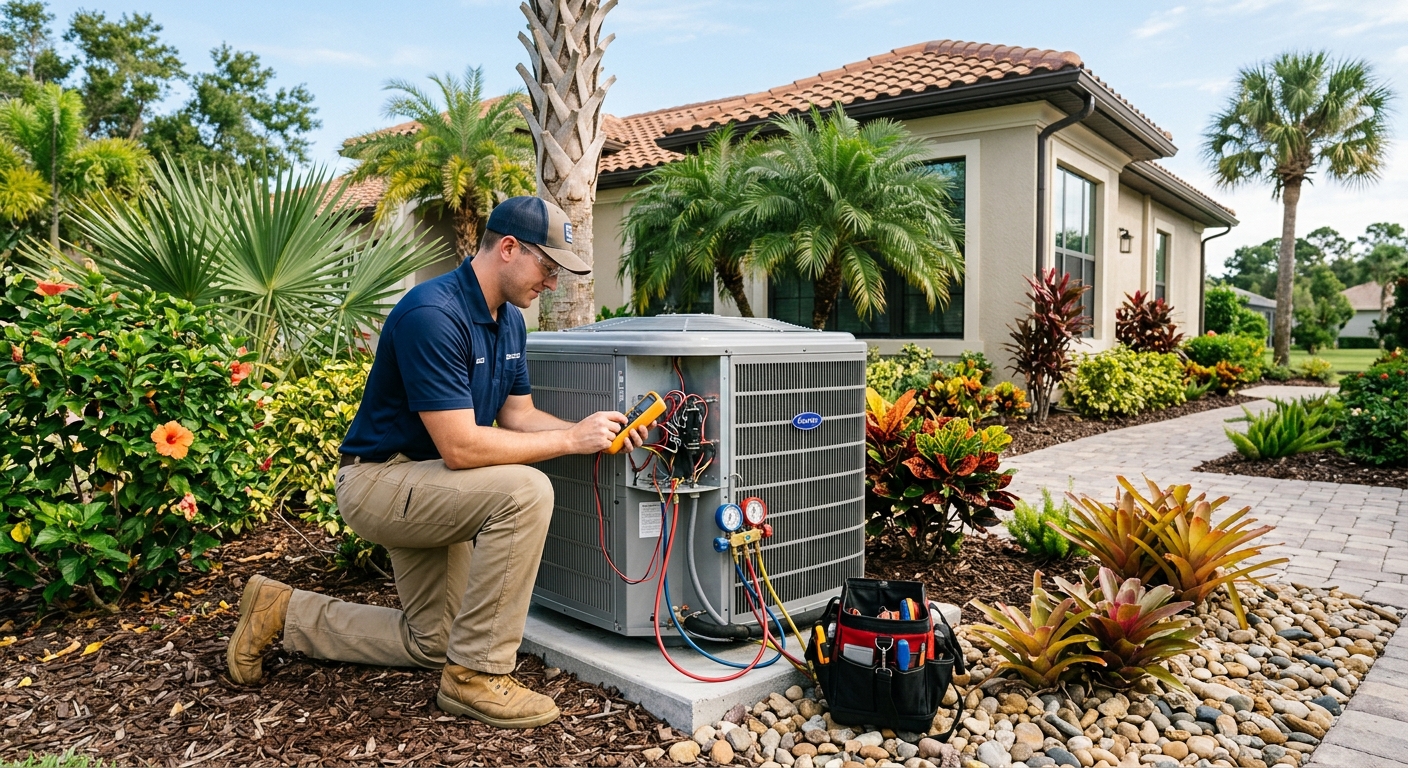
A practical guide to AC repair in Melbourne, including common problems, safe checks, urgent warning signs, and tips for preventing future breakdowns.
When your air conditioner stops cooling in Melbourne, first check the thermostat, air filter, circuit breaker, and outdoor unit for obvious problems. If cooling does not return—or you notice leaking refrigerant, electrical odors, ice, or repeated shutdowns—schedule professional AC repair in Melbourne rather than risking additional damage.
Fast attention matters in Brevard County because high heat and humidity can make a house uncomfortable quickly. A qualified technician can identify whether the problem involves airflow, drainage, electrical components, refrigerant, controls, or the compressor and recommend an appropriate repair.
Why do air conditioners break down in Melbourne, Florida?
Melbourne’s long cooling season places substantial demand on residential air conditioners. Systems often run for many hours during hot, humid weather, so components such as capacitors, contactors, blower motors, and condenser fan motors experience normal wear faster than they might in a milder climate.
Humidity also affects AC performance. An air conditioner must remove both heat and moisture, and a clogged condensate drain can trigger a safety switch or cause water to back up around the indoor unit. Dust, pet hair, algae growth, and restricted airflow can compound the problem.
Homes closer to the Indian River Lagoon or Atlantic coast may also encounter salty, corrosive air. Corrosion can affect outdoor coils, electrical connections, cabinets, and fasteners over time. Severe thunderstorms, lightning, and utility interruptions create another local concern: voltage fluctuations can damage sensitive HVAC electronics or expose already weakened components.
What are the most common signs that an AC needs repair?
A complete loss of cooling is obvious, but many systems show earlier warning signs. Calling before the unit fails completely may reduce discomfort and help prevent a smaller problem from placing additional strain on other components.
- Warm or room-temperature air is coming from the vents.
- Airflow is weak in all rooms or noticeably worse in part of the house.
- The system starts and stops more frequently than usual.
- The indoor or outdoor unit makes grinding, buzzing, rattling, or screeching sounds.
- Water appears around the air handler, ceiling, drain pan, or condensate line.
- Ice forms on the refrigerant lines, evaporator coil, or outdoor unit.
- The thermostat is blank, inaccurate, or not controlling the system normally.
- The home feels unusually humid even though the AC is running.
- Cooling costs rise without a clear change in weather or thermostat settings.
- A musty, burning, or electrical odor appears when the system operates.
Warm air can result from something simple, such as an incorrect thermostat setting, or a technical issue involving the refrigerant circuit, compressor, airflow, or electrical controls. This guide to why an AC may blow warm air explains several common possibilities.
What can I safely check before calling an AC technician?
Homeowners can perform a few basic checks without opening equipment panels or handling electrical and refrigerant components.
Is the thermostat set correctly?
Confirm that the thermostat is set to cooling mode and that the target temperature is below the current indoor temperature. If the fan is set to “On,” it may circulate room-temperature air between cooling cycles; the “Auto” setting normally runs the fan only when the system calls for heating or cooling.
If the thermostat uses replaceable batteries, install fresh batteries as directed by the manufacturer. A blank display can also indicate a tripped float switch, loss of power, wiring issue, or equipment fault, so batteries are not always the answer.
Is the air filter dirty?
Inspect the filter and replace it if it is visibly dirty, using the correct size and an appropriate type for the system. A heavily clogged filter restricts airflow and may contribute to weak cooling, coil icing, longer run times, or overheating at the blower motor.
Do not automatically choose the most restrictive filter available. Some systems cannot move enough air through high-resistance filters without adjustments or additional filter surface area. Ask an HVAC professional if you are unsure which filtration option suits your equipment.
Has a circuit breaker tripped?
Check the labeled HVAC breakers in the electrical panel. A homeowner may reset a tripped breaker once by moving it fully off and then back on. If it trips again, leave it off and call a professional; repeated resetting can be unsafe and may worsen an electrical problem.
Is the outdoor unit blocked?
Turn the system off before removing loose leaves or light debris from around the outdoor cabinet. Keep vegetation and stored items from restricting airflow, but do not remove panels, bend coil fins, or spray electrical areas. If the fan is not running while the indoor system is operating, professional diagnosis is appropriate.
Is the condensate drain backed up?
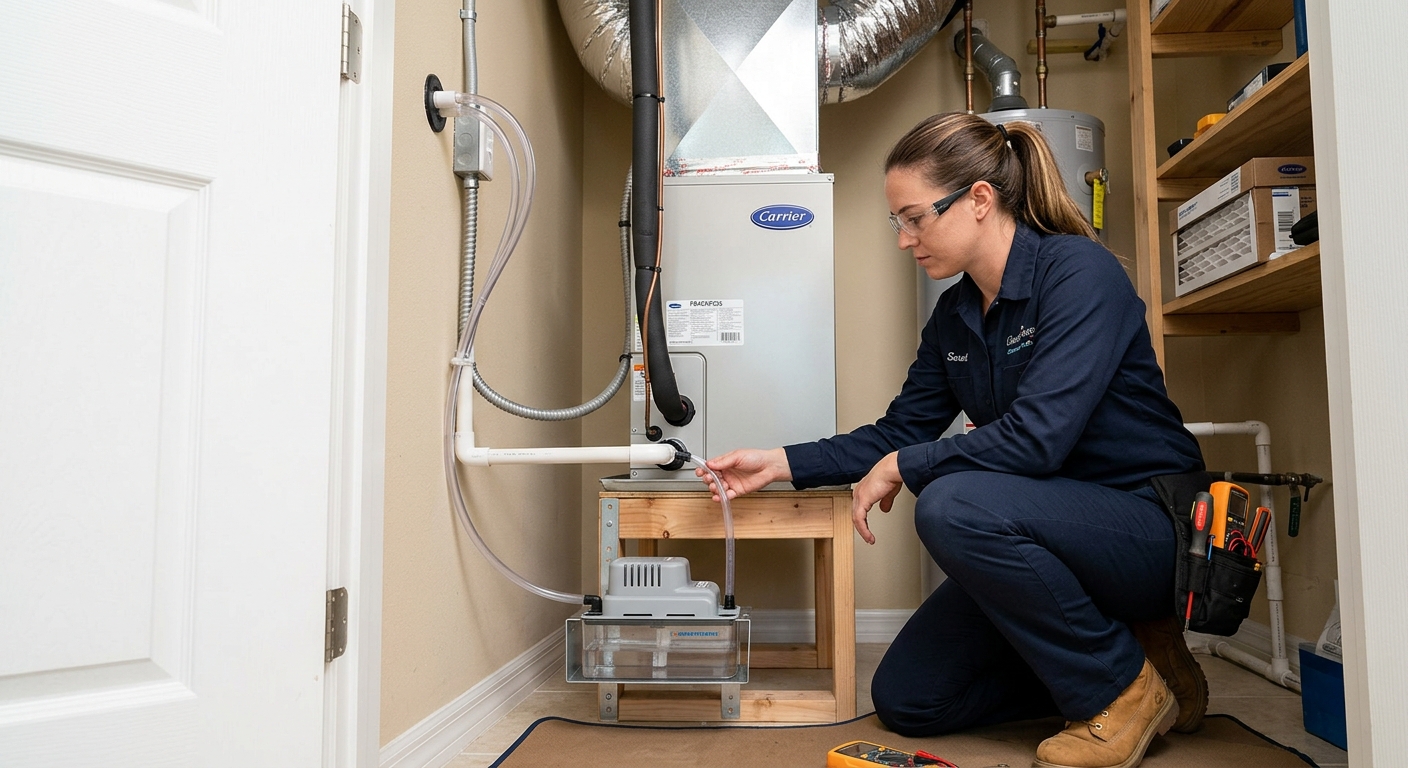
If you know the location of the outdoor drain termination, look for an obvious blockage or use a wet-dry vacuum at the termination without dismantling the indoor equipment. Drain layouts vary, so stop if you are uncertain. Standing water near electrical equipment, ceiling staining, or a repeatedly activated float switch calls for professional service.
When is an AC problem an emergency?
Turn the system off and seek prompt help if you smell burning insulation, see smoke or sparks, hear severe mechanical grinding, or find water reaching electrical components. You should also act quickly if a breaker repeatedly trips or the equipment shows signs of significant electrical overheating.
A loss of cooling can become a health concern when a household includes infants, older adults, people with certain medical conditions, or pets vulnerable to heat. Indoor temperatures can rise quickly during a Melbourne summer, especially in homes with strong afternoon sun or limited ventilation. Move vulnerable occupants to a safe, air-conditioned location while arranging emergency AC repair.
Ice on the system is not a reason to keep lowering the thermostat. Turn cooling off to allow the equipment to thaw, and do not chip ice from the coil. Continuing to operate a frozen system can restrict airflow further and potentially damage components.
Why is my AC running but not cooling the house?
An AC that runs continuously without reaching the thermostat setting may have a dirty filter, blocked coil, failed outdoor fan, weak capacitor, refrigerant problem, duct leakage, control fault, or equipment capacity issue. Open doors, damaged weatherstripping, major air leaks, and unusually heavy indoor heat loads can also affect performance.
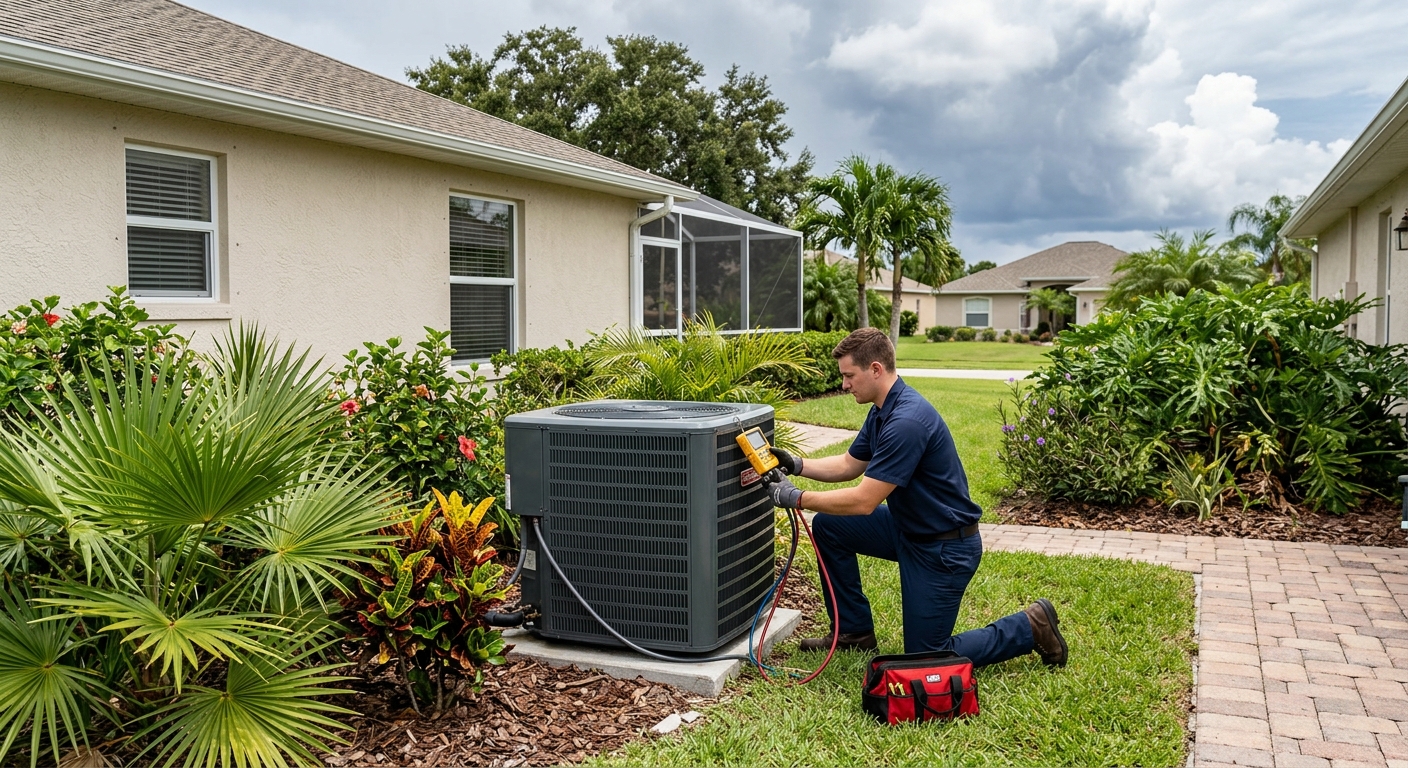
Low refrigerant is not a condition corrected through routine “topping off.” A sealed system should not regularly lose refrigerant. A technician should determine whether a leak is present, discuss repair options, and handle refrigerant according to applicable requirements.
Uneven cooling may point to a different issue. Closed registers, crushed or disconnected ducts, inadequate return airflow, insulation deficiencies, or room-specific heat gain can leave one section of a house uncomfortable. When damaged or leaking ductwork is involved, professional air duct repair may improve airflow and reduce the amount of conditioned air lost to an attic or other unconditioned space.
What happens during a professional AC repair visit?
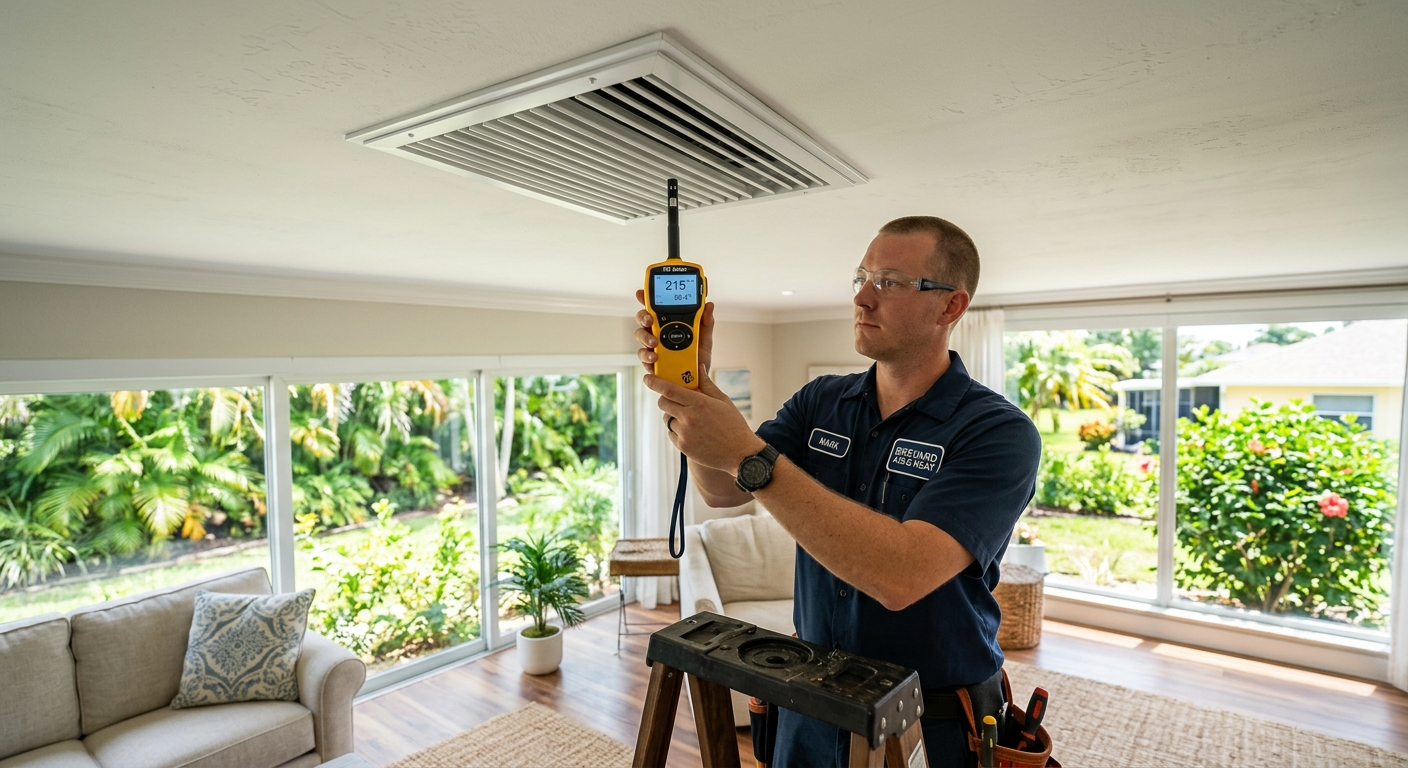
A thorough visit begins with questions about the symptoms, when they started, and whether the system has had recent work. The technician may then evaluate thermostat operation, temperature differences, airflow, filters, condensate drainage, electrical connections, motors, capacitors, safety controls, refrigerant pressures, and indoor and outdoor coil condition as appropriate.
Good diagnostics should identify the failed component and investigate why it failed. For example, replacing a damaged motor without addressing poor airflow, a dirty coil, improper voltage, or another contributing condition may leave the underlying problem unresolved.
Before authorizing work, ask for a clear explanation of the findings, the proposed repair, price, and any alternatives. If a major component has failed, request a comparison of repair and replacement options based on the system’s age, condition, efficiency, repair history, and availability of compatible parts. Replacement is not automatically necessary simply because an AC needs service.
How can Melbourne homeowners reduce future AC breakdowns?
- Inspect the air filter monthly during periods of heavy use and replace it when needed.
- Keep leaves, mulch, vines, and other obstructions away from the outdoor unit.
- Keep supply registers and return grilles open and unobstructed.
- Watch for drain problems, water staining, unusual sounds, and longer run times.
- Schedule preventive maintenance so wear, drainage issues, electrical deterioration, and dirty components can be identified early.
- Use thermostat setbacks thoughtfully; extreme adjustments will not make the system cool faster.
- Have comfort changes investigated instead of assuming higher electric bills are caused only by summer weather.
- Ask an HVAC professional about surge protection appropriate for your home and equipment.
Maintenance cannot prevent every failure, but it can reveal developing issues and help the system operate under the demanding conditions common along Florida’s Space Coast.
Who should I call for AC repair in Melbourne, FL?
Choose a properly licensed and insured HVAC contractor that provides clear diagnostics, explains options, and answers questions without pressuring you. For AC repair Melbourne FL homeowners can rely on, Aquila Air & Heating serves Melbourne and surrounding Brevard County communities as a local, family-run company.
Aquila is Florida's First HVAC Company Offering a Lifetime Warranty. Because warranty eligibility, terms, and coverage can vary, ask the team for current written details that apply to the equipment or service you are considering.
If your AC is blowing warm air, leaking, making unusual noises, or failing to keep humidity under control, contact Aquila Air & Heating to schedule an inspection. The team can diagnose the problem and provide repair options suited to your system and Melbourne home.
Frequently asked questions about AC repair in Melbourne
How quickly should I call if my AC starts blowing warm air?
Check the thermostat and filter first, then call if the problem continues. Prompt service is especially important if the outdoor unit is not running, the system is frozen, a breaker trips, or indoor temperatures are becoming unsafe.
Should I turn off my AC if I see ice?
Yes. Turn off cooling and allow the system to thaw naturally. A dirty filter may contribute to icing, but refrigerant, blower, coil, or airflow problems require professional diagnosis. Do not scrape or break ice from the equipment.
Why does my condensate drain clog so often in Florida?
Warm, humid conditions create substantial condensation and can support algae or biological buildup inside drain lines. Dust and debris may add to the blockage. Regular drain inspection and maintenance can reduce backups and float-switch shutdowns.
Can salt air damage an outdoor AC unit in Melbourne?
Yes. Airborne salt can accelerate corrosion, particularly near the coast or lagoon. Routine inspections, gentle cleaning performed according to manufacturer guidance, and prompt attention to deteriorating coils or electrical connections can help limit damage.
Is it better to repair or replace an older air conditioner?
It depends on the system’s age, overall condition, efficiency, repair history, comfort performance, and the cost and availability of parts. A reputable technician should explain both options when a major repair is involved rather than relying on age alone.