Is It Normal for My AC to Run Constantly in Florida?
Long AC cycles can be normal during Brevard County’s hottest weather, but nonstop operation may signal airflow, duct, refrigerant, or equipment problems.
An AC running constantly can be normal for several hours during an extremely hot, humid Florida afternoon, especially when outdoor temperatures are near the system’s design conditions. It is not normal if the system never reaches the thermostat setting, blows warm air, develops ice, or runs much longer than it did under similar weather conditions. Those signs suggest the system needs attention.
Why does an air conditioner run so much in Brevard County?
Air conditioners do two jobs: they remove heat and reduce indoor humidity. In Brevard County, high temperatures, intense sun, humid ocean air, and frequent door openings can create a substantial cooling load. A properly sized system may run for long cycles during peak summer weather without anything being wrong.
Longer cycles can actually support better humidity removal and steadier indoor temperatures. The concern is not simply that the AC runs for a long time; it is whether the equipment maintains a reasonable thermostat setting, keeps the home comfortable, drains properly, and eventually cycles off when the cooling demand falls.
A home’s location and construction also matter. West-facing windows, limited attic insulation, aging ductwork, high ceilings, air leaks, and direct sun exposure can increase runtime. Conditions may differ even between neighboring homes in Melbourne, Palm Bay, Rockledge, Cocoa, Titusville, or beachside communities.
Is the AC compressor running constantly, or just the indoor fan?
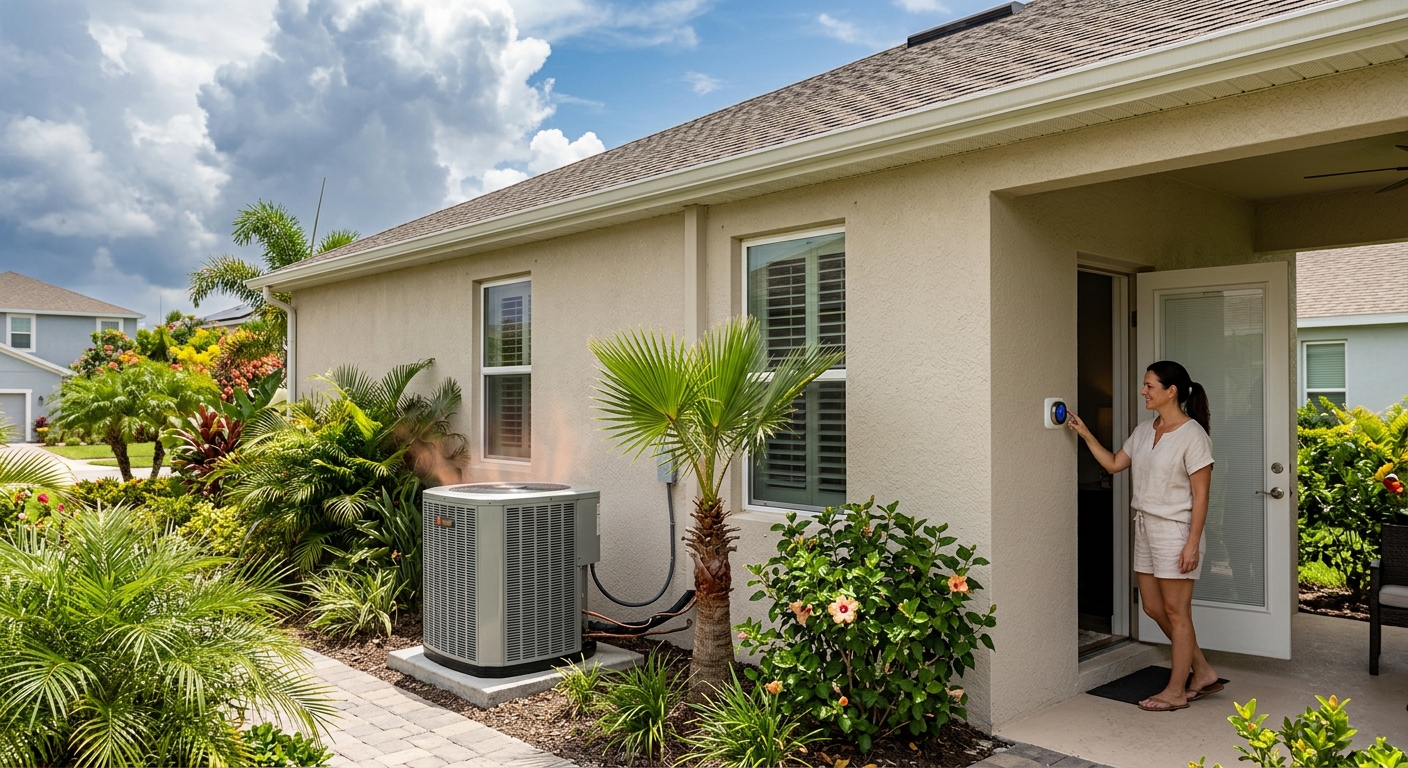
Check the thermostat before assuming the entire cooling system is operating nonstop. If the fan setting is set to On, the indoor blower may continue moving air after the outdoor unit has stopped cooling. Changing the fan setting to Auto allows the blower to cycle with the cooling system.
Continuous fan operation is not the same as continuous cooling. Stand near the outdoor unit and listen from a safe distance. If the outdoor unit is off while air continues from the vents, the thermostat fan setting may explain what you are noticing. Do not remove equipment panels or touch electrical components to investigate.
What can cause an AC to run constantly without cooling enough?
A clogged air filter
A dirty filter restricts airflow across the indoor coil. Reduced airflow can lower cooling performance, lengthen cycles, increase energy use, and contribute to coil icing. Check the filter and replace it if it is visibly dirty, using the size and type recommended for your system. An overly restrictive filter can also create airflow problems, so a higher filtration rating is not automatically better.
Blocked supply or return vents
Furniture, rugs, curtains, or stored items can obstruct airflow. Make sure supply registers are open and return grilles are not blocked. Closing multiple vents to redirect air can raise duct pressure and reduce overall system performance rather than improving comfort.
A dirty indoor or outdoor coil
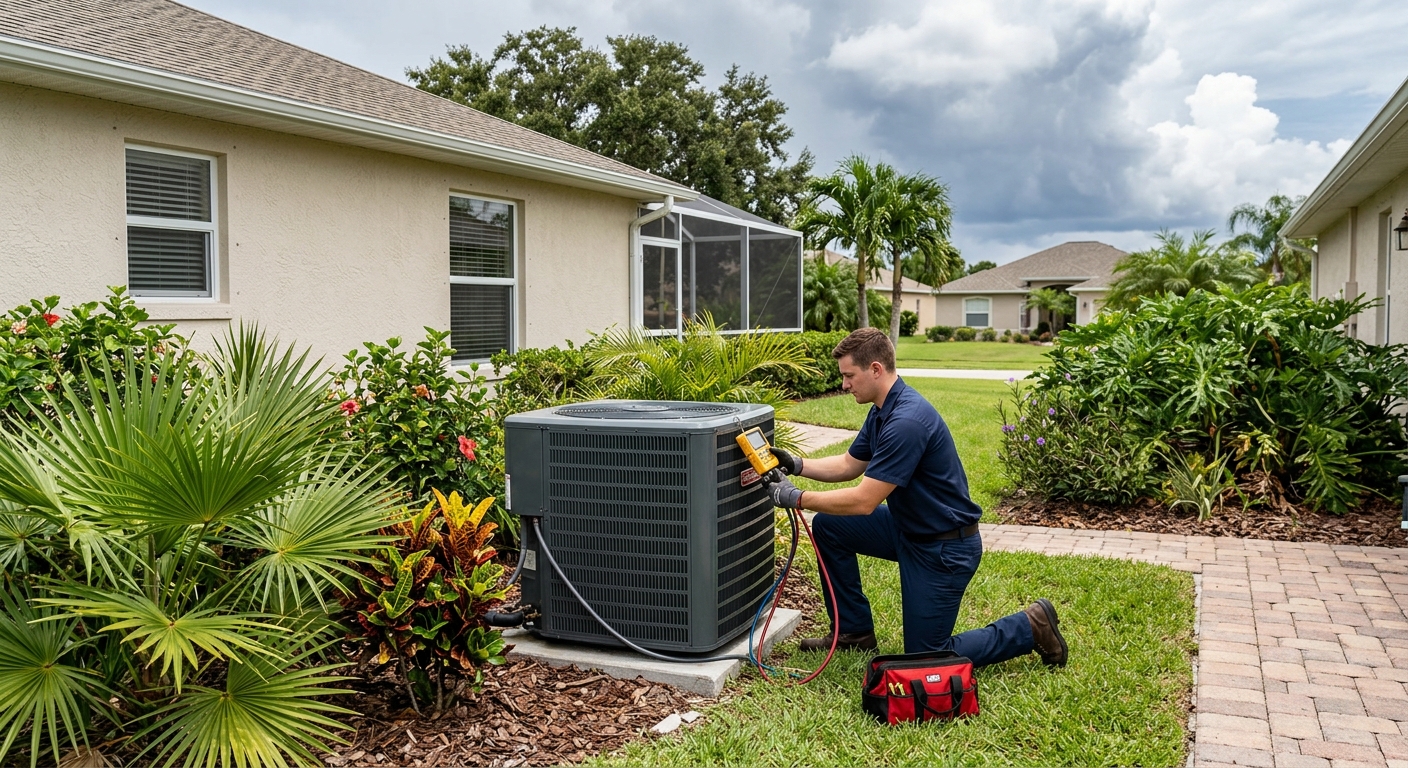
The indoor evaporator coil absorbs heat, while the outdoor condenser coil releases it. Dirt on either coil reduces heat transfer and can make the equipment run longer. Homeowners can remove leaves and loose debris around the outdoor unit and keep vegetation at least a couple of feet away, but deeper coil cleaning should be performed with appropriate methods to avoid damaging delicate fins or electrical parts.
Leaking, disconnected, or poorly insulated ducts
Duct problems are especially important in Florida homes where ducts often pass through a hot attic. A disconnected or leaking supply duct can dump conditioned air outside the living space, while return leaks may pull hot, dusty attic air into the system. Rooms that remain warm, unusually weak airflow, excessive dust, or a sudden runtime increase may justify professional duct inspection and repair.
Low refrigerant or another refrigeration problem
An air conditioner does not normally consume refrigerant. If the refrigerant charge is low, there may be a leak or a previous service issue. Symptoms can include poor cooling, long runtime, ice on refrigerant lines, or unusual sounds. Refrigerant diagnosis and handling require trained technicians; adding refrigerant without finding the cause is not a complete repair.
A thermostat problem
An inaccurate thermostat, poor thermostat location, loose connection, or control malfunction can keep the system running. Heat from direct sunlight, lamps, electronics, or a nearby kitchen may cause the thermostat to read warmer than the rest of the home. Avoid making wiring changes yourself because HVAC controls can be damaged by an incorrect connection.
An aging or improperly sized system
Cooling capacity can decline when components are dirty, worn, or failing. A system that is undersized for the home or for recent additions may also struggle during peak conditions. Oversizing is not a good solution: an oversized unit may cool quickly but short-cycle, remove less humidity, and create uneven temperatures. Equipment sizing should be based on a professional load calculation rather than square footage alone.
Air leaks and excessive heat entering the home
Leaky doors, weak weatherstripping, inadequate attic insulation, uncovered windows, and frequent door openings add heat and moisture. Beachside salt exposure can also accelerate outdoor equipment corrosion. These building and environmental factors may not represent an AC failure, but they can make the system work much harder.
What should I check before calling for AC repair?
- Confirm that the thermostat is set to Cool and the fan is set to Auto.
- Compare the thermostat setting with the displayed indoor temperature. Note whether the gap is growing or shrinking.
- Inspect the air filter and replace it if dirty.
- Make sure supply vents and return grilles are open and unobstructed.
- Look for ice on visible refrigerant lines or the indoor equipment cabinet without opening panels.
- Check for standing water, an overflowing drain pan, or water near the air handler.
- Clear leaves and vegetation from around the outdoor unit while leaving the equipment turned off if you need to work nearby.
- Note unusual buzzing, grinding, rattling, or hissing sounds and whether the outdoor unit is operating.
Avoid repeatedly lowering the thermostat. Setting it to 65°F does not make most residential systems cool faster; it simply asks the equipment to run longer. During severe heat, choose a practical setting and use blinds, curtains, and ceiling fans to reduce the load. Fans improve how occupants feel but do not lower the actual room temperature, so switch them off in unoccupied rooms.
When does constant AC operation require professional service?
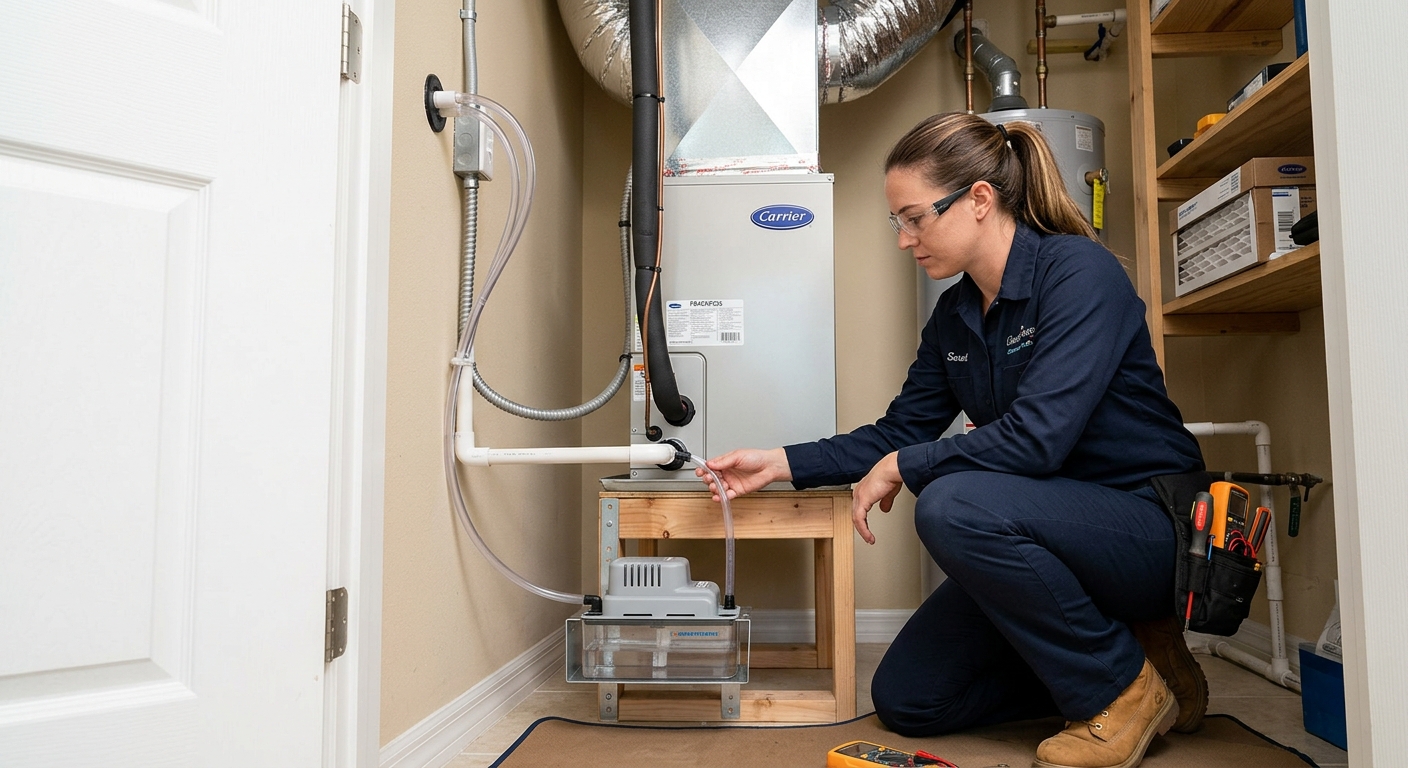
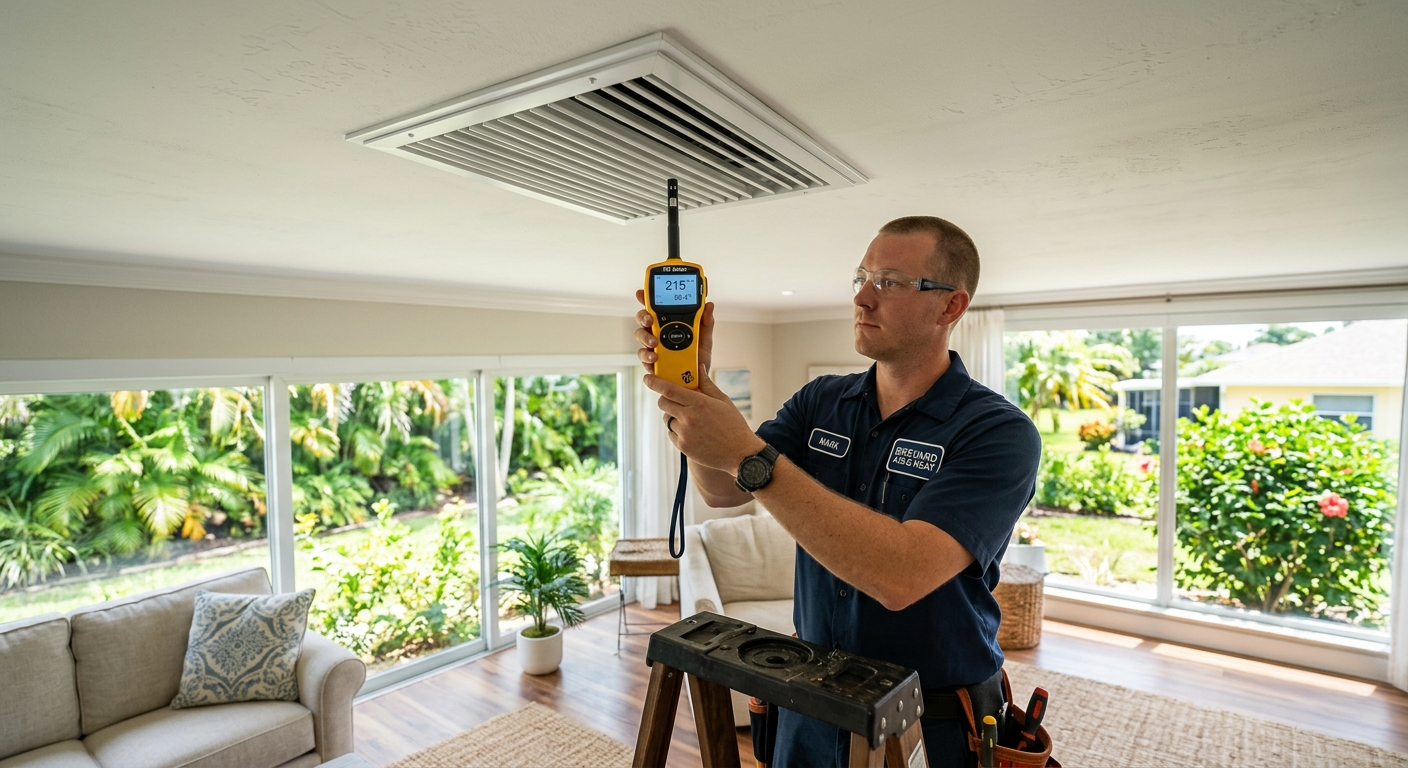
Schedule professional AC repair in Brevard County if the system cannot reach the thermostat setting after running for an extended period, performance has clearly changed, some rooms remain much warmer than others, or energy consumption rises without a comparable weather change. A technician can measure airflow, inspect coils and ducts, evaluate electrical components, test temperature and pressure conditions, and determine whether the issue is equipment-related or caused by the home’s cooling load.
Turn the system off and request prompt help if you see ice, smell burning, hear severe mechanical or electrical noises, notice water approaching ceilings or electrical components, or experience repeated breaker trips. Do not keep resetting a tripped breaker. If the home is becoming unsafe for children, older adults, pets, or anyone with a heat-sensitive medical condition, seek emergency AC repair and move vulnerable occupants to a cooler location while waiting.
If air is coming from the vents but it is not cool, use this guide to troubleshoot an AC blowing warm air. Warm airflow can point to thermostat settings, an outdoor-unit problem, restricted airflow, or a refrigeration fault.
How can I reduce AC runtime during a Florida summer?
Routine maintenance and sensible heat-control measures can reduce unnecessary operation. Replace filters as needed, keep the outdoor unit clear, use window coverings during direct sun, maintain door seals, and avoid running heat-producing appliances during the hottest part of the day when practical. Annual professional maintenance can identify dirty components, drainage concerns, weak electrical parts, and airflow problems before they cause a loss of cooling.
Do not judge performance by runtime alone. Track whether the home reaches its set temperature, feels humid, develops hot rooms, or shows a sharp change in utility use. Comparing operation on days with similar temperature, humidity, and sunlight gives a more useful picture than comparing a mild spring day with an August heat wave.
Who can diagnose an AC running constantly in Brevard County?
Aquila Air & Heating serves homeowners across Brevard County and the Space Coast. If your air conditioner runs nonstop, struggles to cool, or is behaving differently than it did under similar conditions, contact our family-run team for a professional diagnosis. We will evaluate the cause and explain appropriate repair options rather than relying on runtime alone.
Frequently asked questions
How long should an AC run on a hot Florida day?
There is no universal maximum cycle length. During peak afternoon heat and humidity, a properly operating system may run for long stretches. It should generally maintain a reasonable indoor temperature and eventually cycle off as the outdoor load decreases.
Why does my AC run all night in Florida?
Warm nighttime temperatures, high humidity, heat stored in the attic and walls, duct leakage, or an aggressive thermostat setting can extend nighttime operation. If the outdoor weather becomes milder but the system still cannot reach the setpoint, arrange an inspection.
Should I turn off my AC if it is running constantly?
Not solely because it has a long cycle during extreme heat. Turn it off if you see ice, smell burning, hear dangerous noises, find water near electrical parts, or experience repeated breaker trips. Otherwise, check basic settings and schedule service if cooling performance is poor.
Can a dirty filter make my AC run nonstop?
Yes. A clogged filter can restrict airflow, reduce cooling capacity, and lengthen runtime. Replace a dirty filter with the correct size and an appropriate filtration rating, but seek service if performance does not improve or ice is present.
Is setting the thermostat lower a good way to cool the house faster?
Usually not. Most central air conditioners cool at essentially the same rate regardless of how far the thermostat is lowered. An unusually low setting mainly extends runtime and can increase energy use without fixing the underlying cause of poor cooling.