
Do Heat Pumps Save Money on Electric Bills in Brevard County?
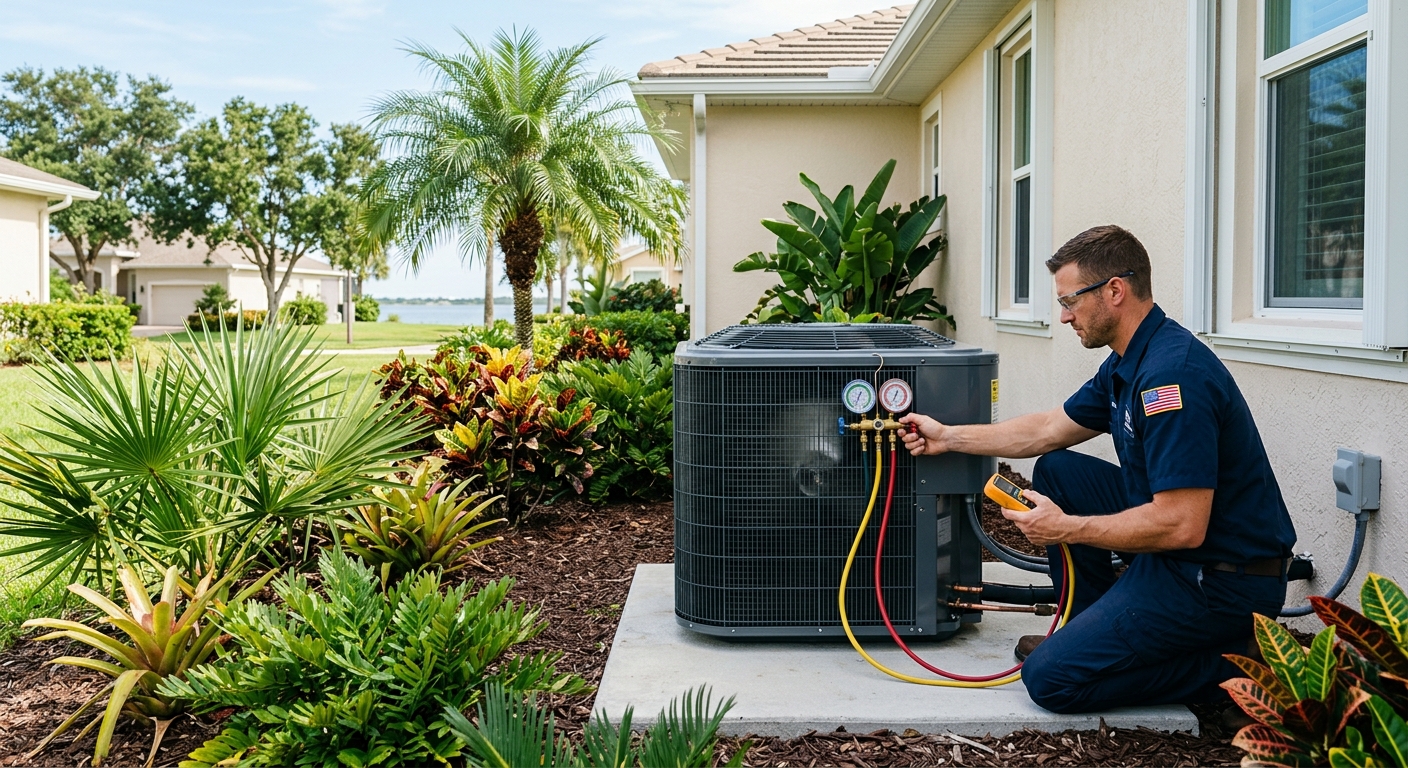
Heat pumps can lower electric bills, especially when replacing electric resistance heat, but equipment efficiency, ductwork and home conditions determine savings.
Yes, a heat pump can save money on electric bills, particularly when it replaces electric resistance heating or an aging, inefficient HVAC system. In Brevard County, however, most annual energy use comes from cooling and humidity control, so actual savings depend heavily on the system’s efficiency, sizing, ductwork and condition.
A heat pump is not automatically cheaper to operate than every air conditioner. When comparing systems with similar cooling-efficiency ratings, their summer operating costs may be similar; the heat pump’s primary advantage is that it can provide efficient heating without relying entirely on electric resistance heat.
How does a heat pump reduce electricity use?
A heat pump moves heat rather than creating it directly. During cooling, it transfers heat from inside the house to the outdoors, operating much like a central air conditioner. During heating, the refrigeration cycle reverses and collects heat from outdoor air before moving it inside.
Electric resistance heaters create heat by passing electricity through heating elements. They generally deliver about one unit of heat for each equivalent unit of electrical energy used at the equipment. Under suitable conditions, an air-source heat pump can deliver multiple units of heat for each unit of electricity because it is moving existing heat. Performance varies with outdoor temperature, equipment design and installation quality.
This distinction is especially relevant in Central Florida. Brevard County usually experiences relatively mild winters, allowing a properly working heat pump to handle much of the heating demand efficiently. Supplemental electric heat may still operate during unusually cold weather, defrost cycles or certain thermostat changes.
How much can a Brevard County homeowner actually save?
There is no reliable flat dollar amount that applies to every home. Your electric bill includes HVAC use as well as water heating, appliances, lighting, pool equipment and other loads. Electricity rates and weather also change, so a lower bill after installation cannot be guaranteed.
The greatest heating-season savings are often possible when a modern heat pump replaces a system that depends heavily on electric resistance strips. Replacing an older, inefficient heat pump can also reduce consumption, especially if the existing equipment has lost performance or needs frequent auxiliary heat.
Cooling savings depend largely on the efficiency difference between the old and new systems. A new heat pump with a higher SEER2 rating can use less electricity for cooling than an older unit, but an equally efficient conventional air conditioner may have comparable cooling costs. Homeowners comparing equipment should review both SEER2 for seasonal cooling efficiency and HSPF2 for heating efficiency.
What factors determine the size of the savings?
- The age and efficiency of the system being replaced
- The new heat pump’s SEER2 and HSPF2 ratings
- Correct equipment sizing based on the home’s cooling load
- Duct leakage, insulation and airflow restrictions
- Thermostat settings and household schedules
- Indoor humidity targets and dehumidification needs
- Window condition, attic insulation and solar heat gain
- How often supplemental electric heat operates
- Maintenance, filter condition and outdoor coil cleanliness
A professional evaluation is more useful than choosing equipment solely from a published efficiency number. Aquila Air & Heating’s heat pump installation services include helping homeowners evaluate equipment options for their property and comfort needs.
Why does Brevard County’s climate matter?
Homes on the Space Coast have long cooling seasons, high humidity and substantial solar exposure. Salt-laden coastal air can also contribute to corrosion, particularly near the ocean or Indian River Lagoon. These conditions make cooling performance, moisture removal and equipment durability important parts of the cost calculation.
An oversized heat pump may cool the house quickly but run in short cycles. Short cycling can reduce moisture removal, create uneven temperatures and add wear. A homeowner may then lower the thermostat to feel comfortable, increasing energy use. Correct sizing and appropriate airflow help the system cool and dehumidify at the same time.
Ductwork is another major local concern. Many Brevard County homes have ducts running through hot attics. Leaky, poorly insulated or disconnected ducts can lose conditioned air before it reaches the rooms and can pull hot, humid attic air into the system. Installing efficient equipment without addressing significant duct problems can limit the expected savings.
Will a heat pump save money compared with central air conditioning?
During summer, a central heat pump and a conventional central air conditioner use the same basic refrigeration process. If both systems have similar cooling efficiency, capacity and installation quality, their cooling costs should be broadly comparable.
The difference appears during heating. A conventional air conditioner needs a separate source of heat, which could be an electric furnace, resistance strips or another heating system. A heat pump reverses its cycle to provide heat efficiently during most Florida winter conditions. For an all-electric Brevard County home, that heating advantage can reduce seasonal electricity consumption.
Households that rarely use heat may see modest annual heating savings simply because heating represents a small part of their total bill. In those homes, the financial case may depend more on cooling efficiency, equipment condition, comfort improvements and the cost difference between available systems.
Can an old or malfunctioning heat pump increase the electric bill?
Yes. A sudden increase in HVAC-related electricity use can indicate an operating problem, although higher rates, hotter weather and household changes should also be considered. A heat pump may consume more energy when it has restricted airflow, a dirty outdoor coil, incorrect refrigerant charge, failing components or duct leakage.
Frequent use of auxiliary or emergency heat can be particularly expensive. Auxiliary heat may operate normally for short periods, but persistent operation in Brevard County’s generally mild weather deserves attention. Emergency heat should not be used as a routine thermostat setting because it typically disables normal heat-pump operation and relies on supplemental heat.
Arrange professional heat pump repair if the system runs continuously without reaching the set temperature, trips breakers, makes new mechanical noises, develops ice that does not clear after a normal defrost cycle or causes the auxiliary heat indicator to remain on. Burning odors, electrical smells or repeated breaker trips require prompt service; turn the system off if it can be done safely.
How can homeowners lower heat pump operating costs?
Use moderate, consistent thermostat settings
Large temperature increases during heating can cause some thermostats to activate supplemental heat. A programmable or smart thermostat configured specifically for the heat pump can make gradual adjustments. Avoid selecting emergency heat unless a technician recommends it because the outdoor unit is not operating correctly.
Replace filters before they restrict airflow
Check the filter regularly and replace or clean it according to the equipment and filter manufacturer’s directions. Homes with pets, renovation dust or frequent door openings may need attention more often. A restrictive filter can reduce airflow and force the system to run longer.
Keep the outdoor unit clear
Remove leaves and loose debris around the outdoor unit while maintaining the clearances specified by the manufacturer. Do not block airflow with plants, fencing or stored items. Because coastal exposure can affect equipment, have corrosion and coil condition evaluated during maintenance rather than applying unapproved chemicals or coatings yourself.
Address the building, not just the equipment
Sealing accessible duct leaks, improving deficient attic insulation, shading sun-exposed windows and sealing uncontrolled air leaks can reduce the amount of heat and moisture entering the home. Any attic or duct project should account for combustion safety, ventilation and moisture management, so professional guidance may be appropriate.
Schedule preventive service
Maintenance can identify drainage problems, electrical wear, airflow issues and performance losses before they become larger repairs. Professional heat pump services can also help determine whether unusually high consumption is caused by the equipment, duct system or another condition.
When does replacing a heat pump make financial sense?
Age alone does not determine whether replacement is worthwhile. Consider the system’s measured performance, repair history, comfort problems, refrigerant type, energy use and the cost of a proposed repair. A well-maintained unit with an isolated, economical repair may remain serviceable, while a system with repeated failures and poor efficiency may be a stronger replacement candidate.
Before making a decision, ask for an evaluation of the entire system. A replacement estimate should account for the home’s load, electrical requirements, ducts, drainage, filtration and thermostat compatibility. Simply selecting the largest unit or highest efficiency rating does not ensure the lowest bill.
When comparing proposals, request estimated operating-cost assumptions in writing and check whether available utility, manufacturer or government incentives apply. Eligibility rules and tax requirements can change, so verify current details with the applicable program or a qualified tax professional.
How can you tell whether a heat pump is right for your home?
A heat pump is often a practical choice for an all-electric home in Brevard County because it provides both cooling and efficient heating from one system. It may be especially compelling if the current home uses electric resistance heat or has an older cooling system with rising repair needs.
The decision is less straightforward when the existing system is relatively new, efficient and reliable. In that situation, projected energy savings may not justify early replacement. A reputable contractor should help you compare repair and replacement options rather than assuming every higher bill requires new equipment.
If you are considering a new system or trying to understand an unexplained increase in electricity use, contact Aquila Air & Heating for an on-site assessment. The family-run team serves homeowners throughout Brevard County and can evaluate sizing, airflow, duct conditions and equipment performance. Aquila also provides details about its Lifetime Warranty; ask which equipment qualifies and review the applicable terms before purchasing.