Lifetime Parts & Labor Warranty: Eligibility and Maintenance Requirements Explained
Understand how installation, registration, professional maintenance, and service records may affect Lifetime Warranty eligibility for your HVAC system.
Lifetime warranty eligibility requirements usually begin with purchasing qualifying equipment, having it installed correctly, completing any required registration, and following the maintenance terms in the written agreement. Because coverage and eligibility rules vary, Brevard County homeowners should review the actual warranty documents rather than assume that every part, repair, or service visit is included.
For an Aquila Air & Heating warranty, the agreement provided with your system is the controlling source for eligibility, maintenance duties, exclusions, and claim procedures. Keep that document, your installation records, and all maintenance invoices together for easy reference.
What determines whether a new HVAC system is eligible?
Eligibility normally starts before the air conditioner is installed. The equipment model, installation package, property type, installation address, purchaser, and installing contractor can all affect whether a warranty is available. A replacement component or an existing system bought with a home should not automatically be assumed to qualify.
Professional installation matters because HVAC equipment must be selected, sized, assembled, charged, and commissioned according to manufacturer specifications and applicable codes. Poor airflow, an incorrect refrigerant charge, improper drainage, or mismatched indoor and outdoor components can cause failures that routine maintenance cannot correct. Homeowners comparing systems should ask about warranty eligibility during the estimate and review it as part of the HVAC installation process, not after the project is complete.
Before approving an installation, ask for written answers to these questions:
- Which equipment models and system combinations qualify?
- Does eligibility apply to both parts and labor, and how is each category defined?
- Who is considered the covered owner?
- Is registration required, and who completes it?
- Does the warranty remain in effect after a home sale?
- What maintenance schedule and documentation are required?
- Who must diagnose and perform a covered repair?
Aquila publishes an overview of its Lifetime Warranty program, but homeowners should still rely on the written agreement issued for their specific installation.
What does “lifetime” mean in an HVAC warranty?
“Lifetime” does not have one universal definition across the HVAC industry. Depending on the agreement, it may refer to the original purchaser's ownership period, the service life of qualifying equipment, or another specifically defined term. It does not necessarily mean that every expense associated with the system is covered forever.
Parts coverage and labor coverage should also be evaluated separately. A manufacturer may provide replacement parts under its own warranty while labor, diagnostic work, refrigerant, permits, shipping, or related materials are handled under different terms. A contractor-backed parts-and-labor program may operate differently from the equipment manufacturer's warranty.
Read the definitions, covered items, owner responsibilities, exclusions, claim process, and remedy provisions. If a sales statement and the written agreement appear inconsistent, request clarification in writing before signing the installation proposal.
What maintenance is commonly required to preserve eligibility?
Many HVAC warranties require professional maintenance at specified intervals. The purpose is not merely administrative: preventive service can identify restricted airflow, worn electrical components, drainage problems, abnormal refrigerant readings, and other conditions before they lead to major damage.
The exact schedule in your agreement controls. In Brevard County, twice-yearly professional visits are often practical because heat pumps and air conditioners operate for much of the year, but that does not replace or rewrite a warranty's stated requirement. Coastal salt exposure, high humidity, airborne debris, heavy rain, and long cooling seasons can accelerate corrosion and place added stress on equipment.
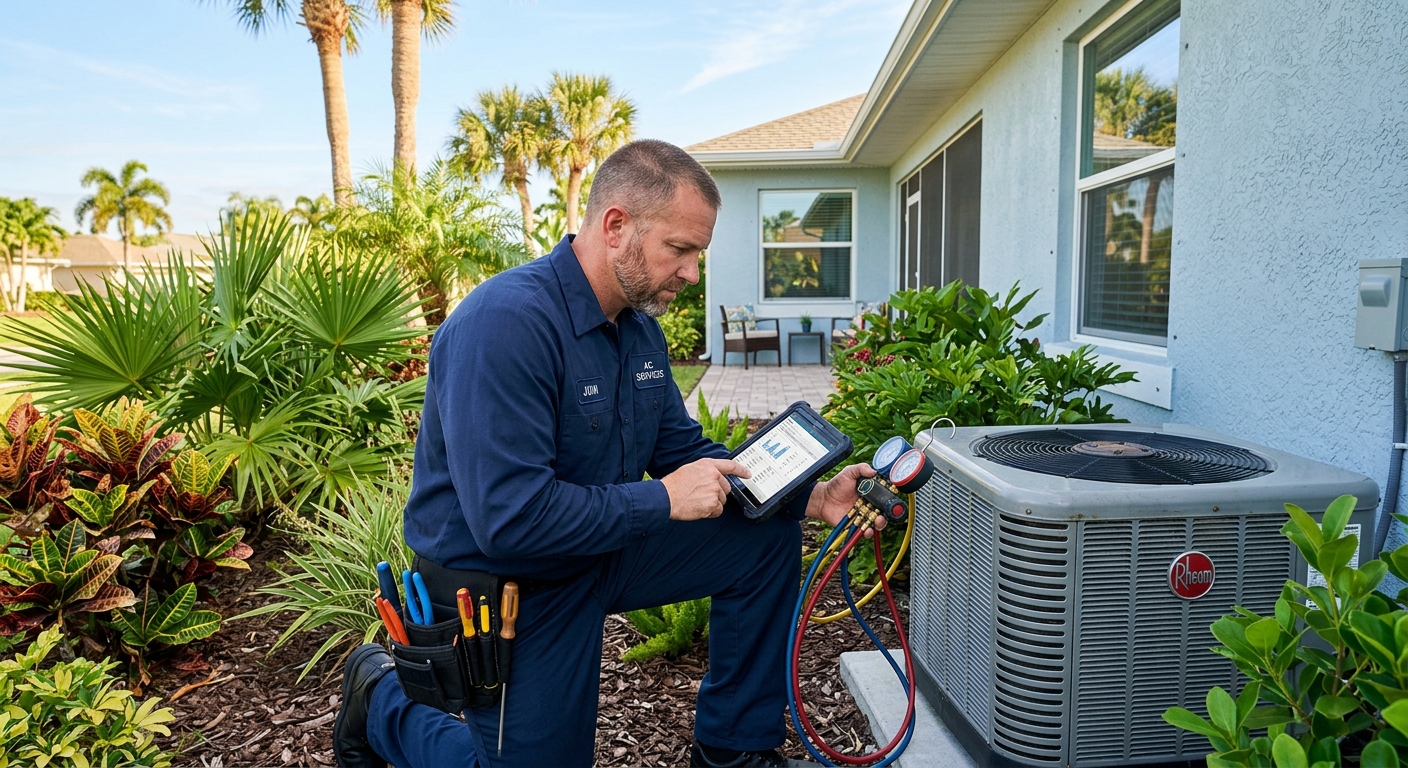
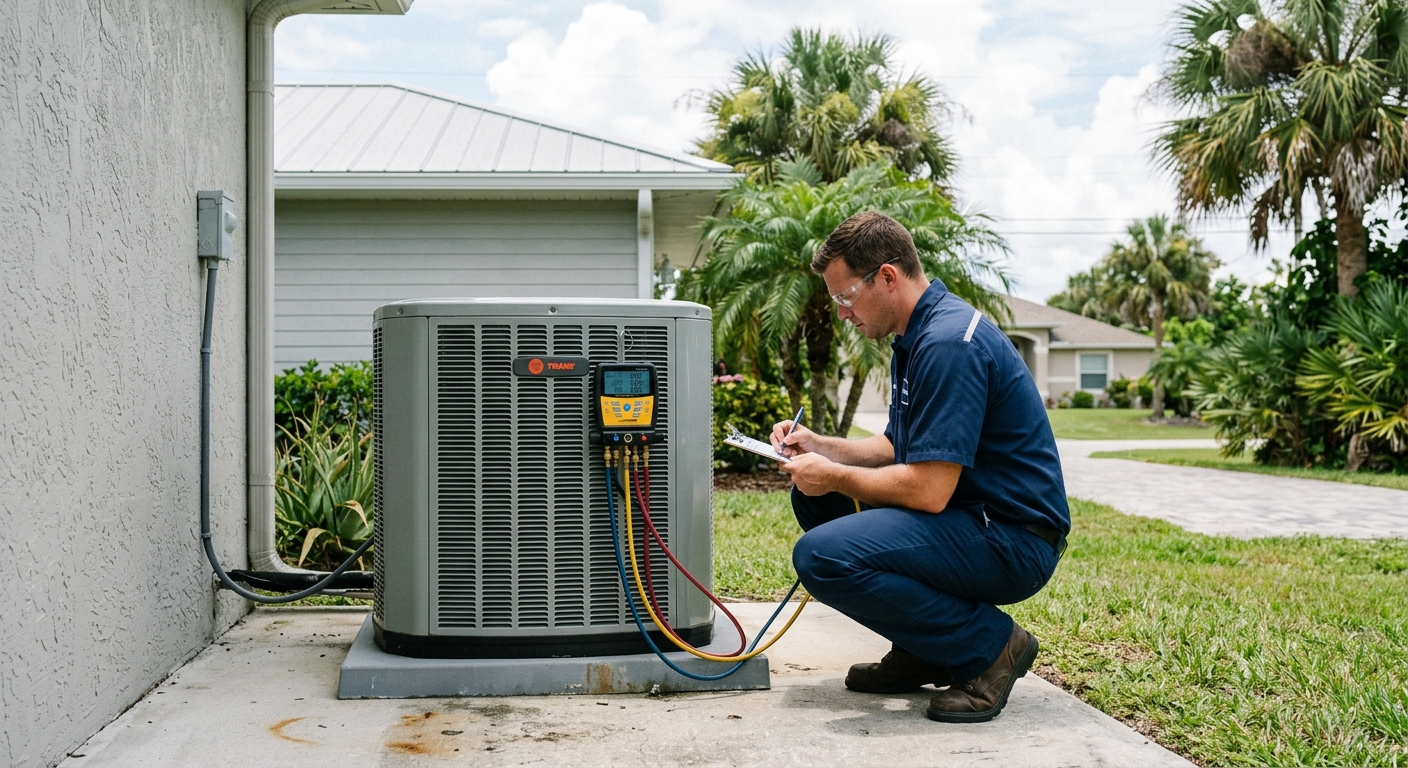
A professional maintenance visit may include tasks such as:
- Inspecting and cleaning accessible indoor and outdoor components
- Checking electrical connections, capacitors, contactors, and operating readings
- Evaluating airflow and temperature change across the system
- Inspecting the condensate drain, pan, and safety controls
- Checking refrigerant performance when system conditions indicate a need
- Inspecting coils for dirt, biological buildup, or coastal corrosion
- Testing thermostat operation and heating and cooling modes
- Documenting findings and recommending corrective work
A scheduled HVAC maintenance plan can make recurring service and recordkeeping easier. Enrollment itself should not be assumed to guarantee warranty eligibility; the plan's work and frequency must still satisfy the applicable agreement.
What should homeowners do between professional visits?
Homeowner care helps the system operate properly, but it is not a substitute for required professional maintenance. Check the filter regularly and replace or clean it according to its instructions. Homes with pets, remodeling dust, frequent door traffic, or long daily run times may need more frequent filter attention.
Keep furniture and stored items away from return-air grilles and supply vents. Outside, remove leaves and loose debris around the condenser without bending fins or opening equipment panels. Check the area near the indoor unit for water, especially during humid weather, and make sure the thermostat is operating normally.
Do not add refrigerant, open sealed components, apply harsh coil chemicals, or perform electrical repairs unless you are properly qualified. Unauthorized or incorrect work can create a safety risk, damage the system, and complicate a future claim.
Which records should I keep for a warranty claim?
Good records help establish that the equipment was eligible, installed at the covered property, and maintained as required. Save documents for the entire coverage period rather than relying on memory or a contractor's software account.
- Signed installation proposal and final invoice
- Warranty agreement and coverage certificate
- Manufacturer registration confirmation, if applicable
- Indoor and outdoor model and serial numbers
- Maintenance invoices showing dates and work performed
- Repair invoices, diagnostic reports, and replaced-part details
- Emails or written approvals related to warranty service
- Records of ownership or address changes when relevant
Photograph the equipment data plates after installation and store copies of important files in cloud storage. If you change maintenance providers, ask the new contractor to document the equipment's current condition and retain records from the previous company.
Can a missed tune-up affect Lifetime Warranty eligibility?
It can, depending on the written maintenance requirement and the circumstances of a claim. Some agreements condition continued eligibility on documented service at stated intervals. Missing a visit may create a coverage issue, particularly when the failure is connected to neglected cleaning, drainage, airflow, or another preventable condition.
Do not backdate records or ask a contractor to certify work that was not performed. If you discover a missed service, schedule an inspection promptly and contact the warranty provider for written guidance. A technician can assess current system condition, but cannot promise how the provider will decide a claim.
For a broader checklist of actions to avoid, review this guide on how to keep your HVAC warranty in force.
Are storm damage, corrosion, and drain clogs covered?
Never assume they are. HVAC warranties commonly distinguish between equipment defects and damage caused by outside events, environmental conditions, improper use, maintenance issues, or property conditions. Whether a specific failure qualifies depends on the language of the agreement and the technician's diagnosis.
This distinction is especially relevant on the Space Coast. Wind-driven debris, lightning, power disturbances, flooding, salt air, and clogged condensate drains can all affect cooling equipment. Homeowners insurance, surge protection coverage, a manufacturer warranty, and a contractor warranty are separate forms of protection with different terms.
If a system stops working after a storm, turn it off if you see standing water, damaged wiring, burning, or impact damage. Do not repeatedly reset breakers. Photograph visible damage from a safe location and call a qualified HVAC professional to inspect the equipment before operation.
When should I call an HVAC professional?
Call promptly when you notice water around the air handler, warm air from vents, unusual noises, burning odors, frequent breaker trips, ice on refrigerant lines, weak airflow, or repeated system shutdowns. Continuing to run malfunctioning equipment can increase damage and make it harder to determine the original cause.
You should also contact a professional before modifying ductwork, relocating equipment, replacing a thermostat with complex controls, or allowing another trade to disconnect HVAC components. Ask whether the proposed work could affect warranty obligations and obtain written approval when required.
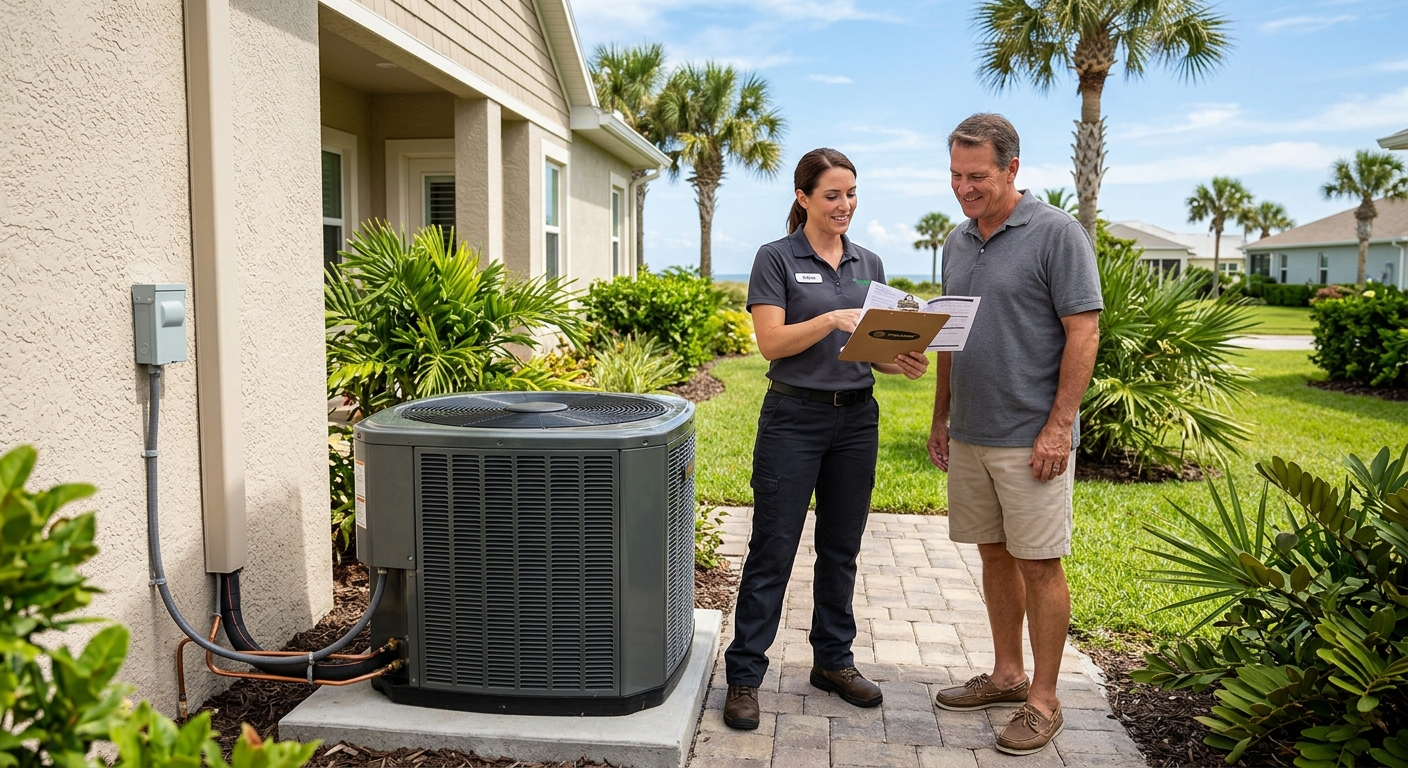
For routine care, schedule professional AC maintenance early enough to meet the interval stated in your agreement. After each appointment, confirm that your invoice identifies the property, service date, equipment, findings, and work completed.
How can Brevard County homeowners verify their requirements?
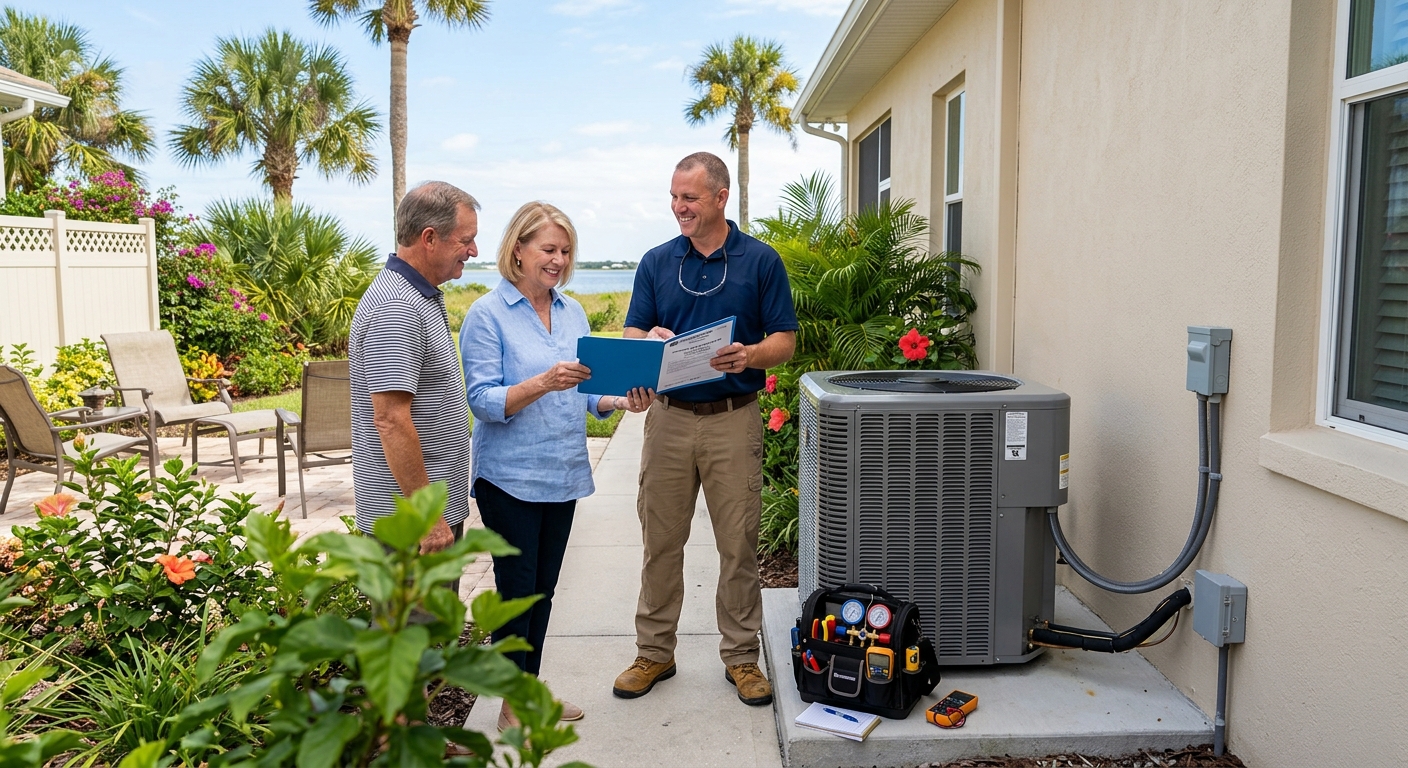
Start with your signed warranty agreement rather than a general advertisement, online discussion, or a neighbor's coverage. Find the eligibility definition, maintenance schedule, covered equipment, owner responsibilities, transfer terms, exclusions, service authorization process, and contact information. Write down any unclear points and request answers in writing.
If you are considering a new system, compare warranties alongside equipment sizing, installation quality, contractor credentials, maintenance expectations, and total ownership cost. A strong warranty is most valuable when its requirements are understandable and realistic for your household.
Aquila Air & Heating is a family-run Space Coast company and Florida's First HVAC Company Offering a Lifetime Warranty. Contact Aquila to discuss qualifying system options, review current program documents, or schedule service for your Brevard County home; final eligibility and coverage are always governed by the written agreement provided for the installation.