Why Is My AC Not Cooling in the Florida Heat?
If your AC is not cooling during a Brevard County heat wave, check the thermostat, filter, vents, drain line, and outdoor unit before calling for service.
If your AC is not cooling in the Florida heat, first check the thermostat settings, air filter, supply vents, condensate drain, and outdoor unit. A dirty filter or incorrect setting may have a simple fix, but warm airflow, ice, unusual noises, water leaks, or repeated breaker trips usually require professional diagnosis. In Brevard County, high humidity, long cooling cycles, salt air, and summer storms can place additional strain on air-conditioning equipment.
Why is my AC running but not cooling the house?
An air conditioner can run without removing enough heat from your home. The indoor blower may still move air even when the outdoor unit is not operating correctly, airflow is restricted, or the refrigeration cycle has a problem.
Start by determining what the system is actually doing. Is air coming from the vents? Does it feel cool, room temperature, or warm? Is the outdoor unit running? Has the indoor temperature stopped falling, or is the system cooling slowly during the hottest part of the afternoon?
If the vents are actively blowing warm air, see our guide to Why Is My AC Blowing Warm Air? for a more focused explanation. If the air feels somewhat cool but the home cannot reach the thermostat setting, airflow, heat gain, humidity, duct leakage, equipment condition, or system sizing may be involved.
What should I check before calling an AC technician?
Homeowners can safely perform several basic checks. These steps may solve a minor issue or provide useful information to the technician.
Is the thermostat set correctly?
Set the thermostat to “cool” and choose a temperature below the current room temperature. Set the fan to “auto” rather than “on.” With the fan continuously on, the blower may circulate room-temperature air between cooling cycles, making the vents seem warmer.
If the thermostat display is blank, replace its batteries if applicable. A blank display can also indicate a tripped breaker, a disconnected safety switch, a clogged drain that activated a float switch, or another electrical issue.
Is the air filter dirty?
A clogged filter restricts airflow across the indoor coil. That can reduce cooling, increase operating time, and contribute to coil icing. Check the filter and replace it if it is visibly dirty, using the size and type recommended for your equipment.
Florida homes often need more frequent filter checks because cooling systems operate for much of the year. Pets, renovation dust, open doors, and higher-occupancy households can load a filter faster. Avoid installing a highly restrictive filter unless your system is designed for it.
Are the supply and return vents open?
Make sure furniture, rugs, curtains, and storage items are not blocking supply registers or return grilles. Keep vents open unless an HVAC professional has designed the duct system for zoning. Closing several vents does not reliably save energy and can create airflow or pressure problems.
Is the outdoor unit obstructed?
Turn the system off before inspecting the outdoor unit. Remove loose leaves, grass clippings, and debris around it, and maintain approximately two feet of open space where practical. Do not open panels, bend coil fins, or spray water into electrical components.
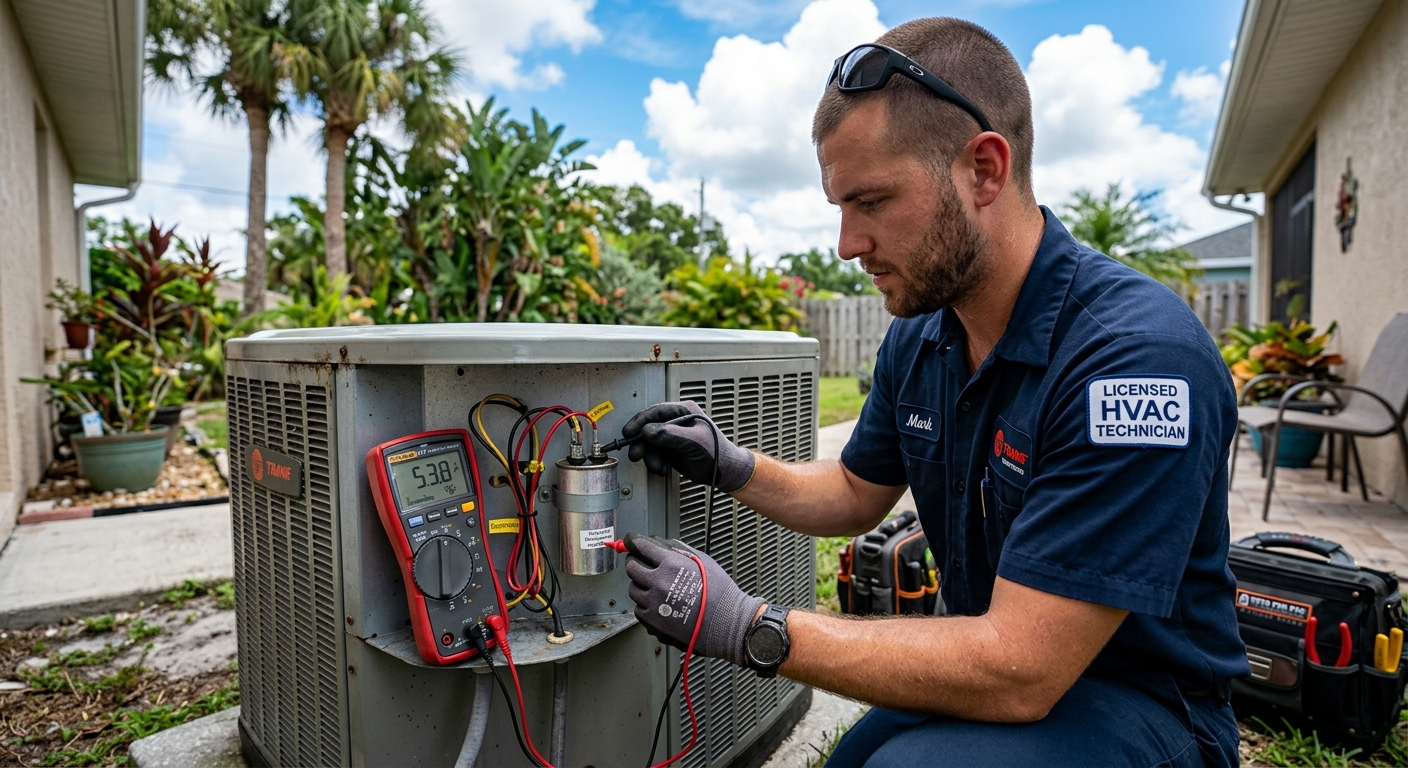
If the indoor blower runs but the outdoor unit does not, the problem could involve a breaker, disconnect, contactor, capacitor, control, motor, or safety device. These components require professional testing.
Has a breaker tripped?
Look for a clearly tripped HVAC breaker in the electrical panel. A breaker may sit between the on and off positions. You may reset it once by moving it fully off and then on, provided there is no burning smell, visible damage, water near electrical equipment, or other safety concern.
If it trips again, leave it off and call a professional. Repeated resets can create a fire or equipment hazard and will not correct the underlying electrical fault.
What AC problems are common during Brevard County summers?
Brevard County’s combination of heat, humidity, thunderstorms, airborne debris, and coastal exposure creates demanding conditions for cooling equipment. Common causes of an AC not cooling include the following:
- A dirty evaporator coil or condenser coil that interferes with heat transfer
- A clogged filter, failing blower, damaged duct, or other airflow restriction
- A failed capacitor, contactor, fan motor, compressor component, or electrical connection
- A blocked condensate drain or activated float switch
- Low refrigerant caused by a leak
- A frozen evaporator coil
- Thermostat, sensor, control board, or wiring problems
- Duct leaks that pull hot attic air into the system or lose cooled air before it reaches rooms
Salt-laden coastal air can also accelerate corrosion on exposed metal components, particularly near the Indian River Lagoon or Atlantic coast. Corrosion does not automatically mean a system has failed, but regular professional inspection can identify deteriorating connections, coils, and cabinets before performance worsens.
Why is there ice on my AC?
Ice on the refrigerant lines or indoor coil is not a sign that the system is cooling well. It usually indicates that the coil has become too cold because of inadequate airflow, a refrigerant problem, or another mechanical fault.
Turn cooling off rather than continuing to run the system. If there is no water near electrical equipment and the blower is operating normally, setting the thermostat fan to “on” may help thaw the coil. Thawing can take several hours, and melting ice may create substantial water, so monitor the air handler and surrounding area.
Check the filter while the system is off. If a dirty filter was the cause, replace it, allow the ice to melt completely, and restart the system. If it freezes again, airflow remains weak, or the filter was already clean, schedule service. Do not chip ice from the coil or add refrigerant without finding the reason it is low.
Could high humidity make my home feel warmer?
Yes. Air conditioning removes both sensible heat and indoor moisture. When indoor humidity remains high, the home can feel clammy and warmer than the thermostat reading suggests.
During Brevard County’s wet season, frequent door openings, duct leaks, bathroom moisture, building-envelope leaks, an oversized AC system, or equipment problems can reduce dehumidification. An oversized system may cool the thermostat area quickly and shut off before running long enough to remove sufficient moisture.
Do not compensate by setting the thermostat dramatically lower. If humidity stays high despite normal operation, a technician can measure temperature drop, airflow, system runtime, refrigerant performance, and indoor humidity to identify the cause.
Is my AC broken, or is it just struggling with extreme heat?
On very hot, sunny afternoons, indoor temperature may rise slightly even when the system is operating. Attic insulation, window exposure, air leakage, duct condition, thermostat location, and equipment sizing all affect performance. A small difference between the thermostat setting and indoor temperature during peak conditions does not prove that the AC is broken.
However, a sudden change from normal performance deserves attention. If your system previously maintained the same setting but now runs continuously, leaves some rooms hot, produces weaker airflow, or cannot reduce indoor temperature after sunset, it may need repair.
Check whether exterior doors and windows are closed, blinds are reducing direct sun, and heat-producing appliances are being used sensibly. Avoid blocking returns or closing many vents in an attempt to redirect cooling.
Can a clogged drain stop my AC from cooling?
Yes. Florida air conditioners remove significant moisture, which drains away as condensate. Algae, sludge, or debris can clog the drain line. Many systems have a float switch that shuts off cooling when water backs up, helping reduce the risk of overflow damage.
Signs include a blank thermostat, water in the drain pan, moisture around the air handler, or a system that stops during humid weather. Do not bypass the float switch. If you cannot safely access and clear the drain using the maintenance procedure approved for your system, call an HVAC professional.
When should I call for professional AC repair?
Schedule professional AC Repair when basic thermostat, filter, vent, and debris checks do not restore cooling. You should also call when you notice any of these conditions:
- The outdoor unit will not start or repeatedly shuts off
- The breaker trips more than once
- Ice returns after the system has fully thawed
- Airflow is weak despite a clean filter and open vents
- The system blows warm or room-temperature air
- Water is leaking around the air handler or ceiling
- You hear grinding, buzzing, hissing, or repeated clicking
- The AC runs continuously without lowering the temperature
- Cooling performance suddenly becomes worse than usual
Turn the system off and seek prompt help if you smell burning, see smoke or sparks, hear severe mechanical noises, or find water near electrical components. Refrigerant, capacitors, high-voltage wiring, motors, and sealed-system repairs should be handled by trained technicians with appropriate tools and credentials.
How can I reduce the chance of losing cooling again?
Preventive care cannot eliminate every breakdown, but it can reduce avoidable strain and help uncover developing problems. Check filters regularly, keep outdoor equipment clear, avoid blocking indoor vents, and arrange maintenance appropriate for the system’s age and operating conditions.
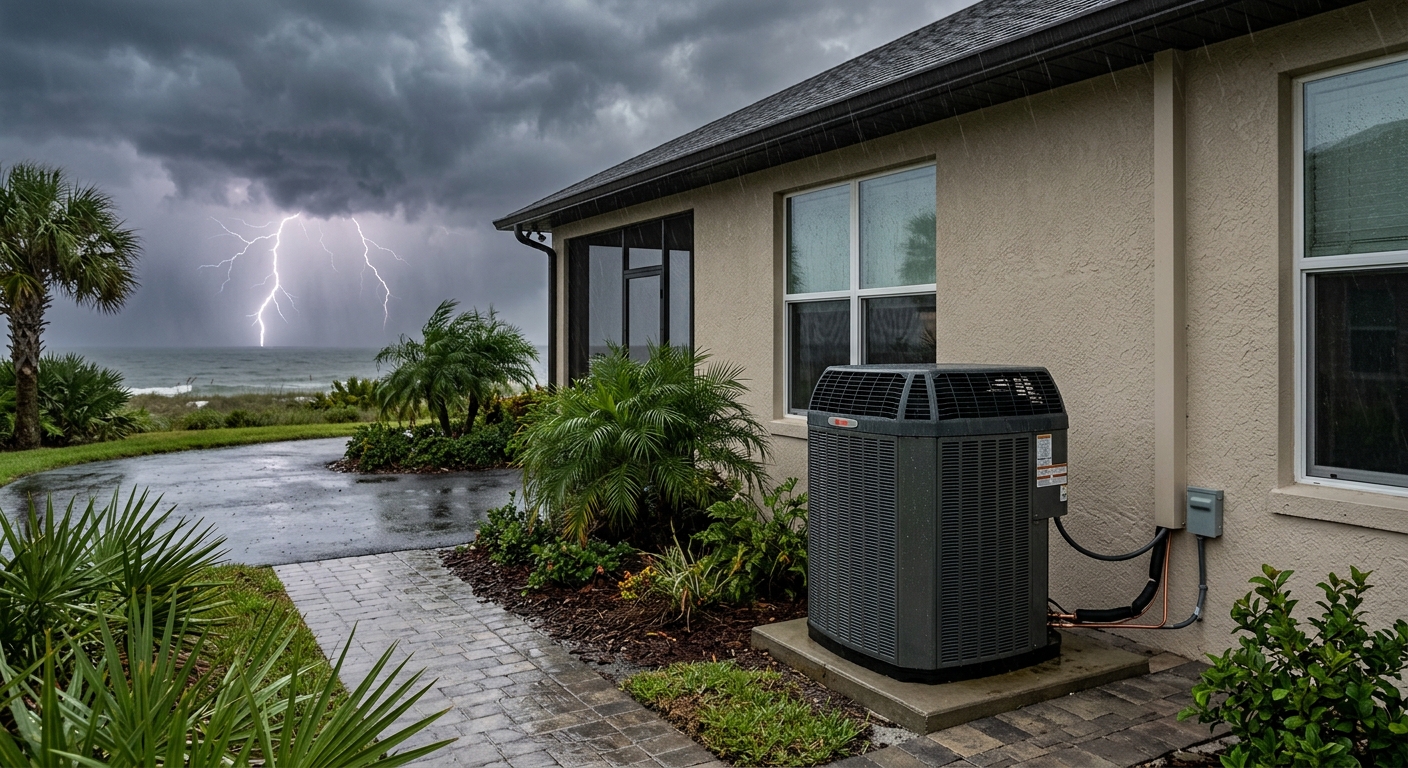
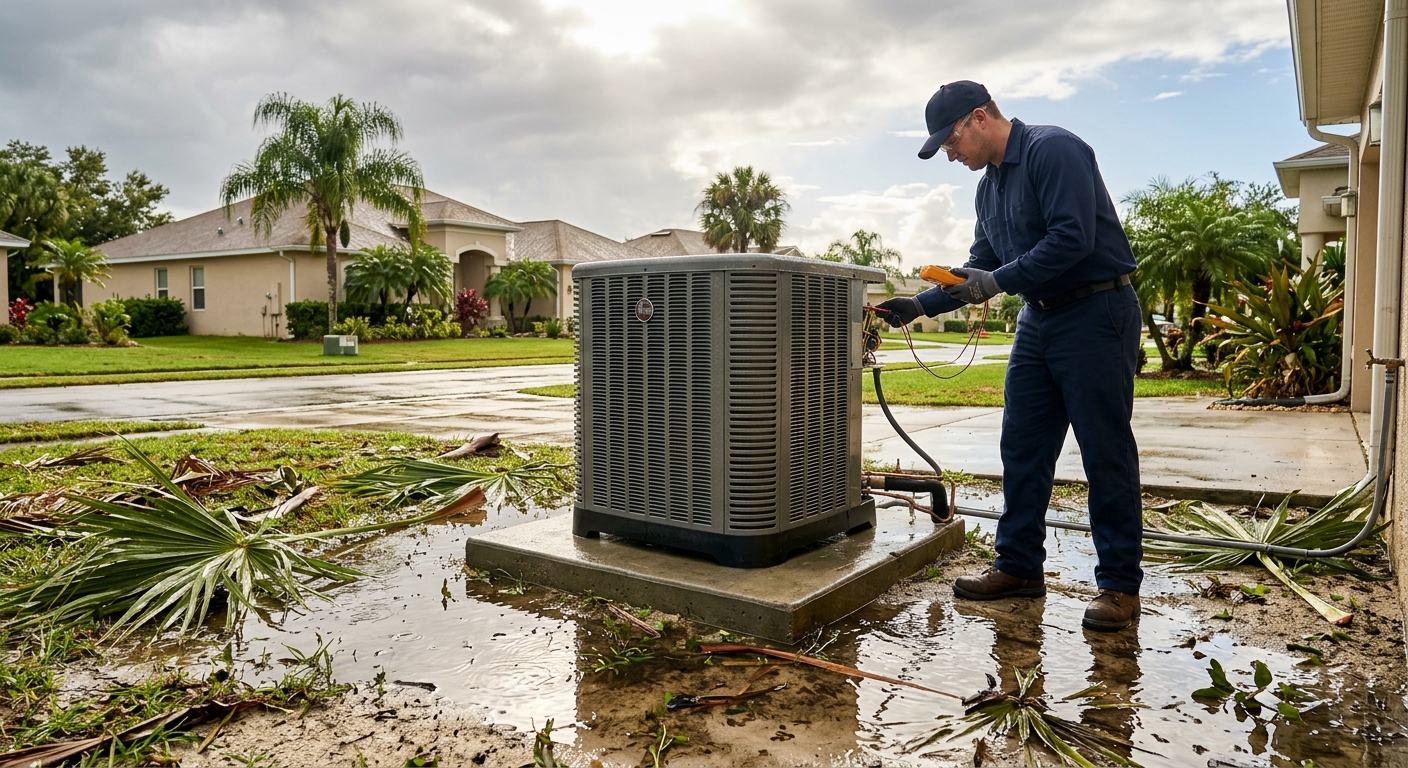
In Brevard County, it is wise to have cooling performance, electrical components, drain operation, coil condition, and airflow evaluated before the most demanding part of summer. After severe storms, visually check for debris or damage around the outdoor unit without opening its cabinet. If flooding reached HVAC equipment, leave it off until it has been professionally inspected.
Who can help when my AC is not cooling in Brevard County?
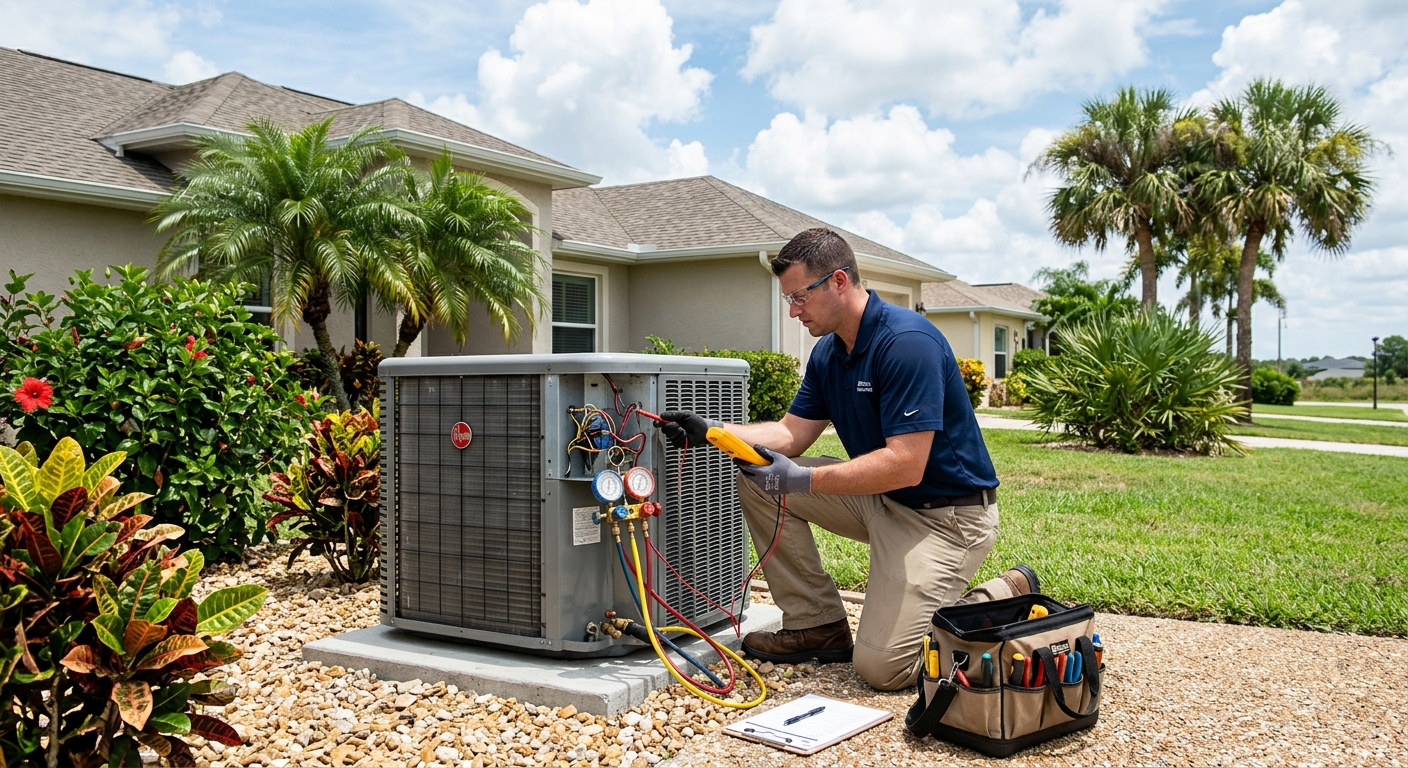
Aquila Air & Heating is a family-run company serving homeowners across Brevard County and the Space Coast. Our technicians can diagnose airflow, drainage, electrical, thermostat, refrigerant, and mechanical problems rather than guessing or replacing parts without testing.
Aquila Air & Heating is Florida's First HVAC Company Offering a Lifetime Warranty. Warranty eligibility, coverage, terms, and exclusions vary, so review the full Lifetime Warranty information and ask our team how it applies to a specific installation.
If your AC is not cooling, contact Aquila Air & Heating to schedule an inspection or repair. Tell us what the thermostat displays, whether the indoor and outdoor units are running, when the problem began, and whether you have noticed ice, water, noises, odors, or breaker trips.
Frequently asked questions about an AC not cooling
How long should I wait to see if my AC starts cooling?
After changing the thermostat setting, allow roughly 10 to 15 minutes for normal start delays and then check for cool airflow. If the system runs for 30 to 60 minutes without lowering the indoor temperature at all, or the air remains warm, begin the safe checks above and arrange service if the issue continues.
What temperature should the air coming from my vents be?
Vent temperature varies with indoor conditions, airflow, humidity, and where it is measured. Technicians typically compare return-air and supply-air temperatures rather than relying on one vent reading. A very small temperature difference can indicate a problem, but it is not enough by itself to diagnose the cause.
Why does my AC cool at night but not during the day?
Daytime solar heat, hot attic temperatures, air leakage, duct loss, dirty coils, low airflow, or declining equipment performance may exceed the system’s available capacity during peak hours. If this is new behavior or the home remains hot after sunset, have the system evaluated.
Should I turn off my AC if it is not cooling?
Turn it off if you see ice, water near equipment, repeated breaker trips, smoke, sparks, a burning odor, or severe noises. If the system is simply cooling slowly, basic filter and thermostat checks are reasonable, but continuous operation with no temperature improvement warrants professional help.
Can I add refrigerant to an AC that is not cooling?
No. Residential AC refrigerant requires proper equipment, handling, and diagnostic procedures. Refrigerant does not get used up during normal operation; a low charge usually points to a leak or an earlier charging problem that should be identified before refrigerant is added.