How to Lower Your AC Electric Bill in a Florida Summer
Use smarter thermostat settings, control humidity, reduce heat gain, maintain airflow, and address duct leaks to cut summer cooling costs in Brevard County.
To lower your AC electric bill in Florida, set the thermostat to the highest temperature your household finds comfortable, keep indoor humidity under control, maintain airflow, and reduce heat entering the home. Brevard County homeowners should also inspect attic ductwork and schedule professional maintenance because long cooling seasons, humid air, salt exposure, and hot attics can magnify small efficiency problems. Start by tracking electricity use in kilowatt-hours so you can tell whether a higher bill comes from increased consumption or a utility rate change.
Why does my electric bill climb so much during a Florida summer?
Air conditioning often runs for many hours during a Space Coast summer. High outdoor temperatures are only part of the load: humidity must also be removed, direct sun heats roofs and windows, and attic temperatures can become much higher than the outdoor air. Afternoon thunderstorms may briefly cool the air while leaving behind intense humidity.
Before assuming the AC is failing, compare the kilowatt-hours on recent bills with the same period last year. Consider weather, thermostat changes, guests, pool pumps, water heaters, electric vehicle charging, and other major loads. Many utilities also provide daily or hourly usage data that can reveal when consumption rises.
If usage has increased without an obvious household change, the cause may be a dirty filter, restricted outdoor unit, duct leakage, thermostat problem, declining system performance, or unusually long runtime. A professional AC maintenance visit can evaluate the equipment rather than relying on guesses based only on the total bill.
What thermostat setting saves energy without making the house uncomfortable?
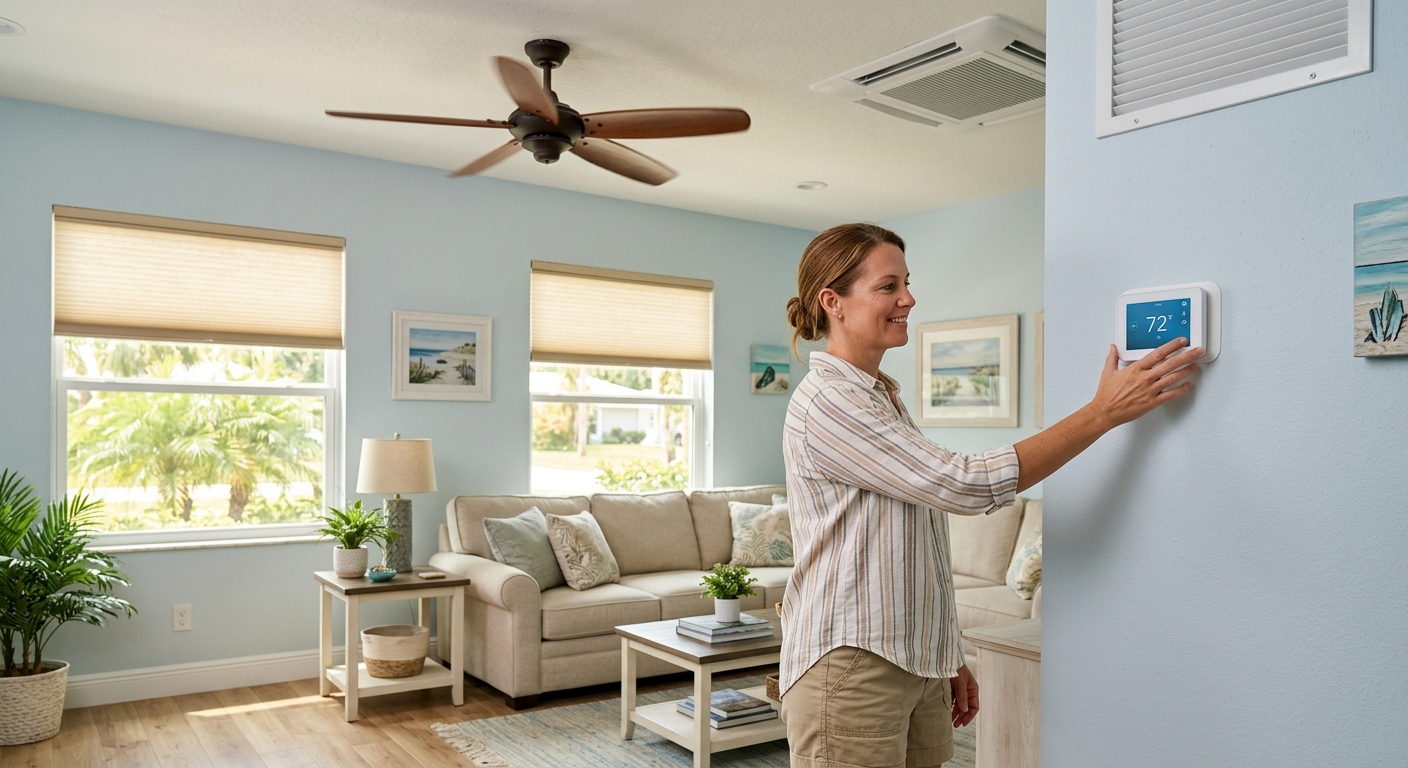
There is no single correct setting for every Florida household. Choose the highest temperature that remains comfortable, then make small one-degree adjustments and monitor both comfort and electricity use. A programmable or smart thermostat can raise the setting modestly when the home is unoccupied and restore it before people return.
Avoid turning the system off for long periods during hot, humid weather. The house may become excessively warm and humid, forcing the AC to run for an extended period when you return. Large setbacks can also be unsuitable for homes with humidity-sensitive belongings, pets, or occupants.
Keep the thermostat away from lamps, direct sunlight, hot kitchens, and supply vents that can distort its reading. Set the HVAC fan to AUTO in most homes. Leaving the fan continuously ON can use additional electricity and may return moisture from a wet indoor coil or drain pan to the air after the compressor stops.
Use ceiling fans in occupied rooms to improve comfort at a higher thermostat setting. Fans cool people through air movement; they do not lower the room temperature, so switch them off when the room is empty.
How does indoor humidity affect AC costs?
Humid air often feels warmer, which can lead homeowners to lower the thermostat even when the temperature is reasonable. Many Florida households are comfortable around 45% to 55% relative humidity, although conditions and personal preferences vary. Sustained indoor humidity above roughly 60% can also increase the risk of condensation and microbial growth.
Do not compensate for a humidity problem by repeatedly lowering the temperature. Check that bathroom and kitchen exhaust fans vent outdoors, limit unnecessary door opening, and use exhaust fans during moisture-producing activities. If the home feels clammy, the system short-cycles, or humidity remains high, ask an HVAC professional to check drainage, airflow, thermostat controls, duct leakage, and equipment sizing.
Can a filter or blocked vent raise my cooling bill?
Yes. Restricted airflow can reduce comfort, lengthen runtime, and contribute to coil icing or equipment stress. Inspect the filter monthly during peak cooling season and replace it when dirty according to the filter and equipment manufacturer’s instructions. Homes with pets, remodeling dust, smokers, or high system use may need more frequent changes.
Do not automatically choose the highest-rated filter on the shelf. A filter that is too restrictive for the system can create airflow problems. Ask a professional which size and efficiency rating are appropriate for your equipment.
- Keep supply registers open and unobstructed by furniture, rugs, or curtains.
- Keep return grilles clear so air can circulate back to the system.
- Vacuum visible dust from grilles without pushing tools into ductwork.
- Keep leaves and vegetation away from the outdoor unit while following the manufacturer’s required clearances.
- Do not pressure-wash coils or open electrical panels yourself.
Closing vents in unused rooms is usually not a good energy-saving strategy. It can increase duct pressure, worsen leakage, reduce airflow, and create uncomfortable temperature differences.
How much do duct leaks matter in a Brevard County home?
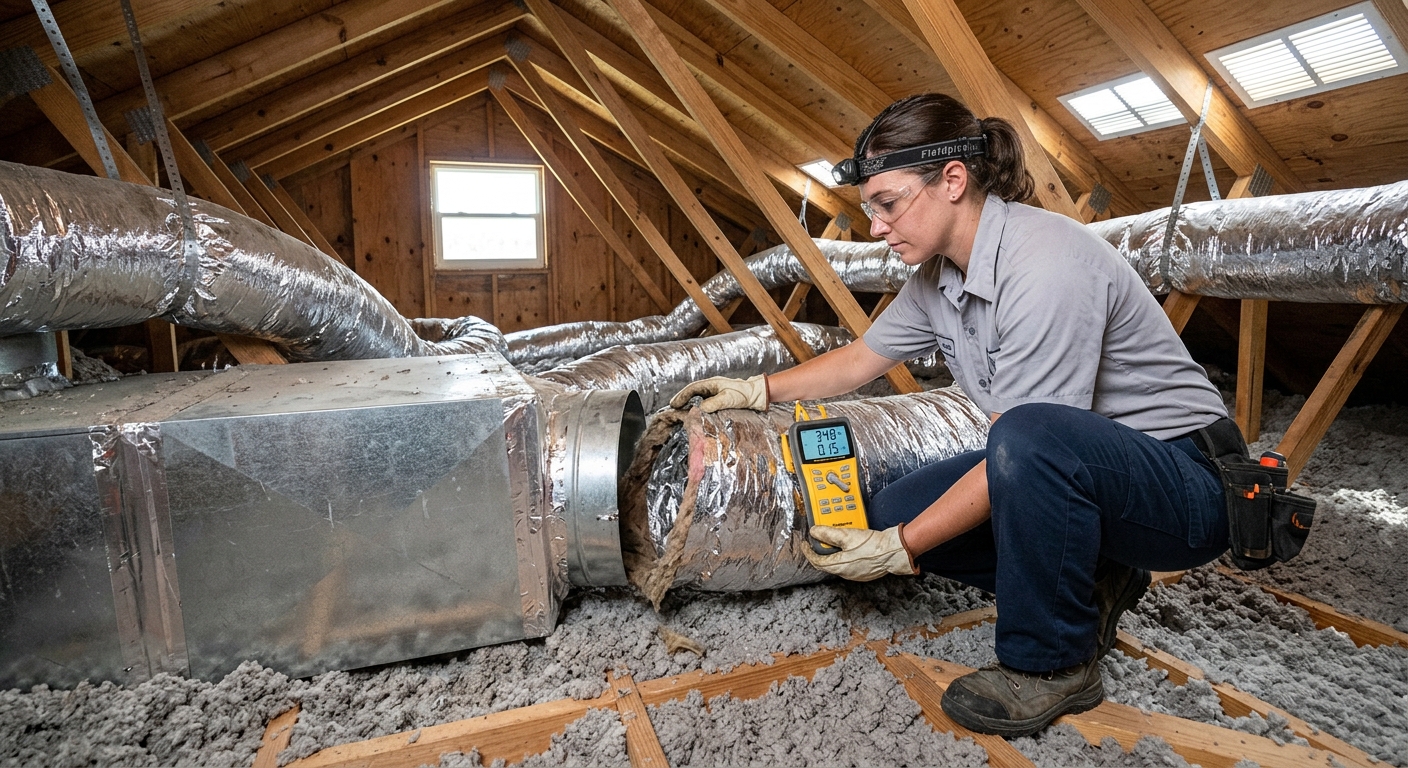
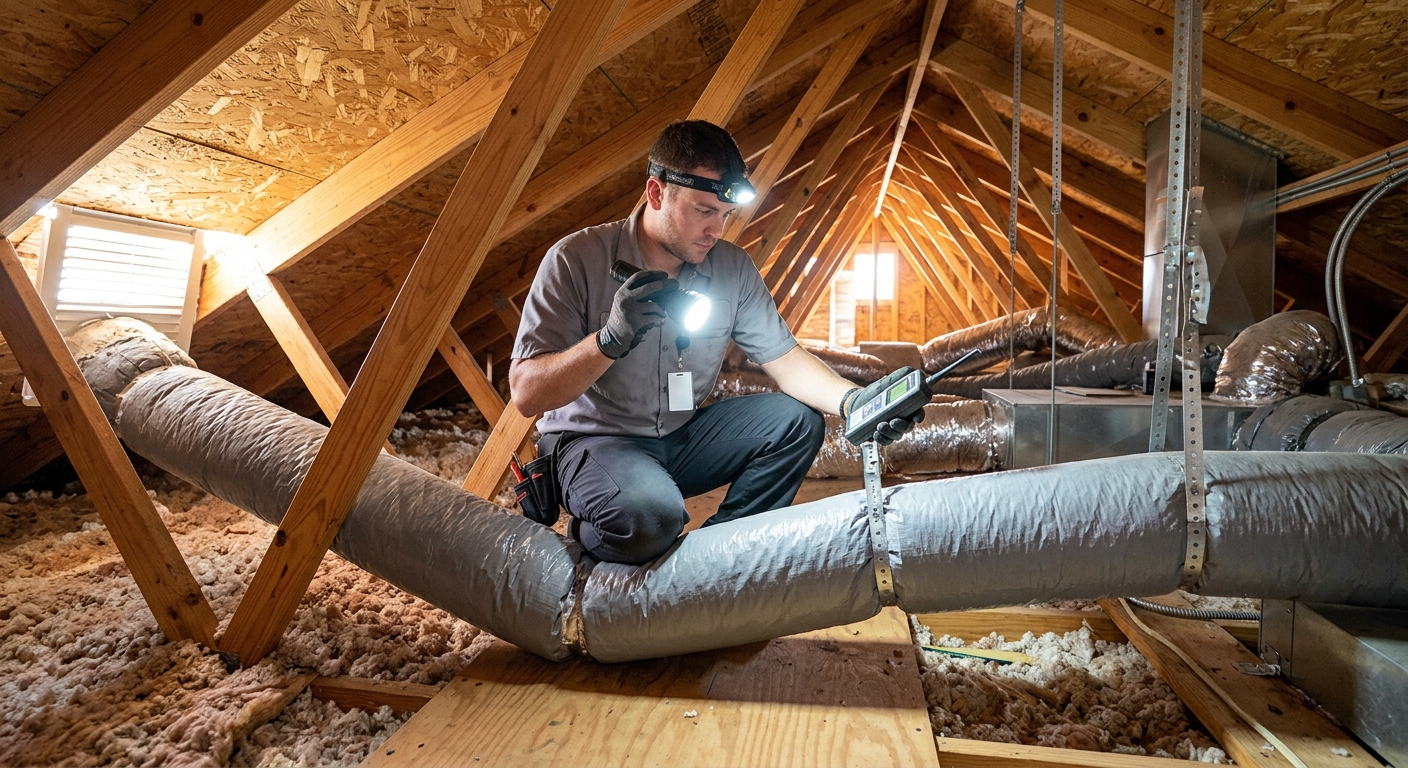
Duct leakage can be especially costly when ducts run through a hot attic or garage. Conditioned air escaping outside the living space is wasted, while leaks on the return side can pull hot, humid, dusty attic air into the system. Warning signs include rooms that never cool properly, unusually dusty areas, damaged or disconnected flexible ducts, and high humidity despite long runtime.
Accessible gaps at registers may be sealable, but attic duct repairs require suitable materials and an understanding of airflow. Cloth-backed general-purpose tape is not a durable duct-sealing solution. Learn more about duct leaks and energy loss in Florida homes, and consider professional testing when leakage is suspected.
What changes reduce heat entering the house?
Reducing the cooling load can lower runtime without sacrificing comfort. Close blinds or shades on east- and west-facing windows during strong sun, repair damaged weatherstripping, and seal obvious air gaps around exterior penetrations. Use bathroom and kitchen exhaust fans only as long as needed because they also remove conditioned indoor air.
Attic insulation and air sealing can make a meaningful difference, particularly in older Brevard County homes. However, attic ventilation, combustion safety, moisture control, and insulation placement must be handled correctly. Consult a qualified insulation or energy professional rather than blocking soffit vents or covering heat-producing equipment.
Heat-generating activities also matter. When practical, run dishwashers and clothes dryers during cooler hours, use outdoor cooking equipment safely, and turn off unnecessary lighting and electronics.
Will AC maintenance actually reduce electricity use?
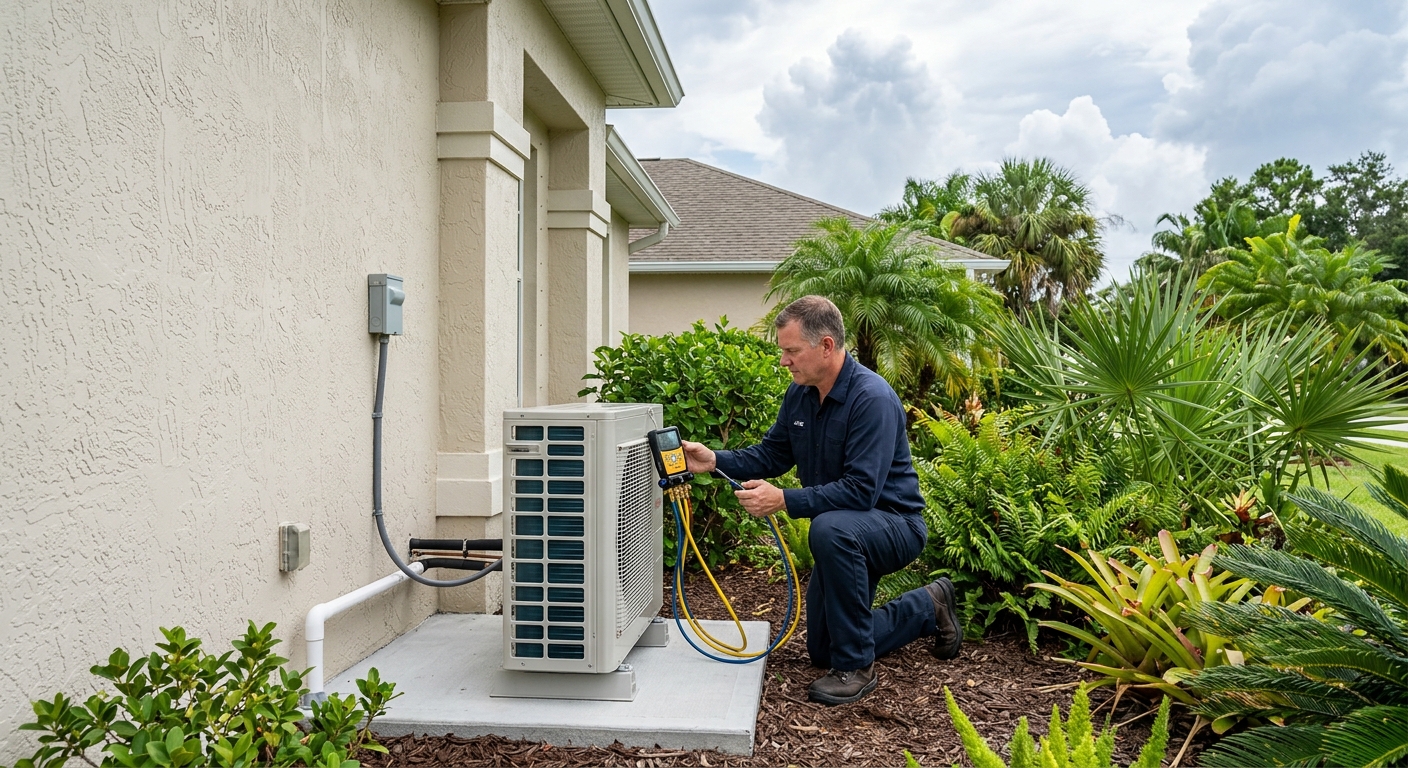
Maintenance cannot make every bill lower, but it can correct conditions that waste energy and find problems before they become breakdowns. A technician may check refrigerant performance, electrical components, drainage, airflow, thermostat operation, indoor and outdoor coils, and temperature differences. Refrigerant should not be added routinely; a low charge generally indicates a leak or another issue that requires diagnosis.
Brevard County’s humid, salty environment can be hard on outdoor equipment, especially near the coast. Homeowners can keep the area around the condenser clear and visually check for corrosion, but electrical repairs and coil cleaning should be left to trained technicians. Households that prefer scheduled service can review an HVAC maintenance plan rather than trying to remember seasonal visits.
When should I call an HVAC professional about a high bill?
Arrange service when the AC runs almost continuously without reaching the set temperature, starts and stops every few minutes, produces weak airflow, freezes, leaks water, makes new noises, gives off a burning odor, or causes circuit breakers to trip. Shut the system off and seek prompt help for burning smells, smoke, repeated breaker trips, or significant water near electrical components.
You should also call if the bill rises sharply while weather and household habits remain similar. A technician can determine whether the issue involves the AC, ducts, controls, or another factor. Avoid replacing equipment based on age or a high bill alone; diagnosis should come first.
When does replacing an older AC make financial sense?
Replacement may be worth evaluating when an older system needs major repairs, breaks down repeatedly, cannot control humidity, or has operating costs that remain high after airflow and building issues are addressed. Compare repair cost, expected remaining service life, comfort, available efficiency ratings, and projected energy use rather than focusing only on the purchase price.
Correct sizing matters as much as efficiency. An oversized system may cool quickly but cycle too often to remove moisture effectively, while an undersized system may struggle during design conditions. Ask for a room-by-room load calculation and an explanation of SEER2 ratings before choosing equipment.
Frequently asked questions
Is 78 degrees the best Florida thermostat setting?
It is a common starting point, not a requirement. Set the thermostat as high as your household can comfortably tolerate, then adjust gradually while monitoring humidity and kilowatt-hour use.
Does lowering the thermostat cool the house faster?
No. Most residential systems cool at essentially the same rate regardless of how far the setting is lowered. An extreme setting usually makes the system run longer and risks overcooling.
Should I turn off the AC when leaving for work?
A modest temperature increase is generally more appropriate than shutting it off during a hot, humid Brevard County day. Homes with pets, sensitive belongings, or moisture concerns may require a narrower setback.
Why is my bill high even though my AC is new?
A new unit can still have high operating costs if it is incorrectly sized, improperly commissioned, connected to leaky ducts, paired with restrictive airflow, or cooling a home with substantial heat gain. Other electrical loads and rate changes should also be considered.
Can closing bedroom doors increase AC costs?
It can when closed rooms lack an adequate return-air path. Pressure differences may reduce airflow and increase duct leakage, so ask a professional about transfer grilles, jump ducts, or other return-air solutions if rooms become uncomfortable with doors closed.
Get practical help lowering your cooling costs
If your Brevard County home remains humid, uncomfortable, or expensive to cool after basic adjustments, contact Aquila Air & Heating for a professional system evaluation. The team can inspect equipment operation, airflow, controls, and other likely causes before recommending repairs or replacement.
If replacement is appropriate, Aquila can explain available systems and the terms of its Lifetime Warranty. Aquila Air & Heating is Florida's First HVAC Company Offering a Lifetime Warranty.